
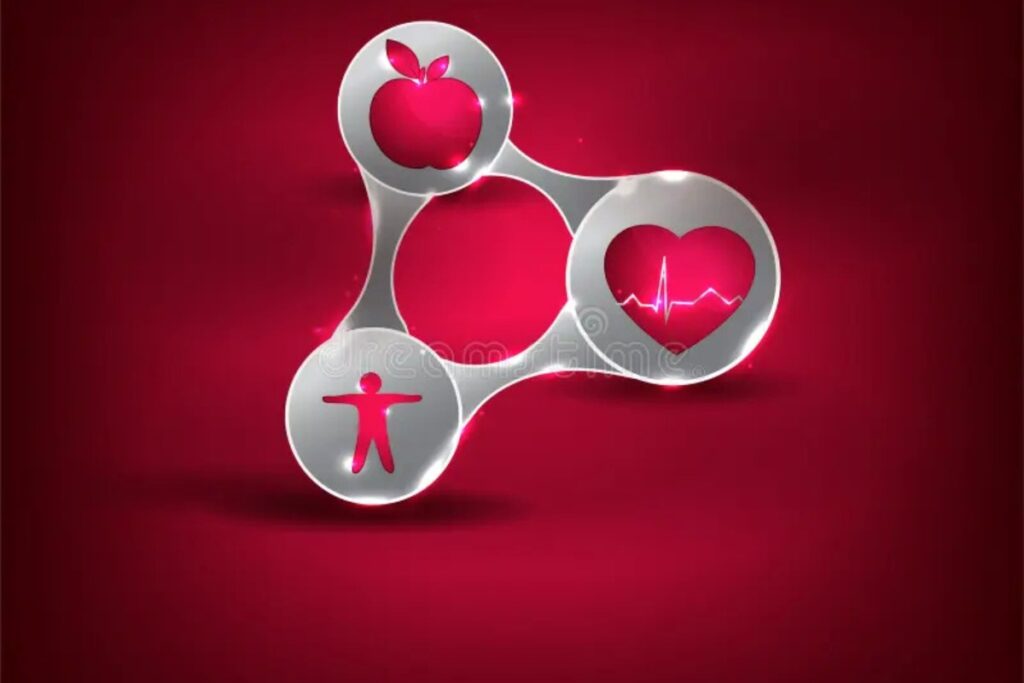
Discover how the health triangle — made up of physical, mental, and social health — helps you build a balanced, happier life. Learn practical tips to improve each side, boost wellness, reduce stress, and achieve overall well-being. Perfect for students, families, and anyone ready to take charge of their health!
What Is the Health Triangle?
Have you ever wondered why some days you feel full of energy, focused, and happy — while on others, you feel completely off-balance? The answer might be hiding inside something called the Health Triangle.
The Health Triangle is a simple yet powerful way to understand your overall wellness. Imagine a triangle with three sides — physical health, mental health, and social health. When all three sides are balanced, you feel healthy, confident, and ready to take on anything. But if one side is weak, the whole triangle becomes unstable — and so do you.
Let’s break it down.
- Physical health is all about your body — eating healthy foods, staying active, getting enough sleep, and keeping your energy levels high.
- Mental health focuses on your thoughts, emotions, and how you handle stress. It’s about staying positive, being kind to yourself, and learning to relax when life gets heavy.
- Social health is about the people around you — your friends, family, teachers, and even your community. Good relationships make you feel supported and loved, which boosts your confidence and happiness.
When these three areas work together, you build a balanced health triangle — a foundation for a strong, healthy life. But if you only focus on one side (like exercising every day but never resting or socializing), your triangle becomes uneven. That imbalance can lead to stress, fatigue, or even feeling disconnected from others.
The beauty of the health triangle is that it reminds us health isn’t just about having a fit body. It’s also about caring for your mind and connecting with people who lift you up. Think of it as your personal wellness map — guiding you toward a life that feels good inside and out.
In the next section, we’ll explore each side of the health triangle in detail and learn simple ways to keep all three areas strong, steady, and perfectly balanced.
The Three Sides of the Health Triangle
Think of your Health Triangle like a sturdy three-legged stool. Each leg represents a different part of your well-being — physical health, mental health, and social health. When all three legs are strong, your life feels balanced and steady. But when one weakens, everything can start to wobble.
Let’s look closer at each side and what makes it so important.
1. Physical Health – The Energy That Keeps You Going
Your physical health is the base of your daily energy and strength. It includes how well you eat, how often you move, and how much rest you get.
Simple things like walking for 30 minutes a day, choosing fruits instead of chips, and getting 8 hours of sleep can make a huge difference.
When your physical health improves, you feel stronger, sharper, and more confident. You get sick less often, think more clearly, and wake up ready to take on the day. It’s not about having a perfect body — it’s about having a body that feels good and supports the life you want to live.
2. Mental Health – The Calm That Centers You
Your mental health is like the control center of your triangle. It shapes how you think, feel, and handle challenges.
Practicing mindfulness, taking deep breaths, journaling, or even talking to someone you trust can boost your emotional strength.
Sometimes, we forget that our minds need care just as much as our bodies. When your mental health is strong, you handle stress better, focus longer, and feel more peaceful.
3. Social Health – The Connections That Lift You Up
Humans are social creatures — we need others to feel whole. Social health is all about building positive relationships with friends, family, and your community.
It’s not about being popular — it’s about surrounding yourself with people who encourage you, listen to you, and make you laugh.
When your social health is strong, you feel supported, valued, and loved — and that can do wonders for your mood and confidence.
Together, these three sides form your balanced health triangle — each one supporting the others. You can’t build long-lasting wellness by focusing on just one area. A fit body means little without peace of mind or a strong support system. True health happens when your body, mind, and relationships all grow together.
Why the Health Triangle Is Important
Have you ever felt tired even after a full night’s sleep, or lonely even when surrounded by people? That’s your health triangle trying to tell you something. When one side of the triangle — physical health, mental health, or social health — gets ignored, your whole sense of balance starts to tip.
Your health triangle works just like a real triangle: every side depends on the others. You can’t live your best life if one side is weak. Let’s look at why keeping it balanced matters more than most people realize.
1. It Creates True Balance in Your Life
A balanced health triangle keeps you grounded. When you take care of your physical health through exercise and nutrition, your mind feels clearer. When you care for your mental health, your body relaxes and performs better. And when your social health thrives, you feel supported — even on tough days.
This three-way connection means better focus, more energy, and a deeper sense of happiness. It’s not just about avoiding sickness; it’s about living fully, laughing freely, and waking up each morning excited for the day ahead.
🗝️ Keywords used: balanced health triangle, importance of health triangle, overall wellness, physical health, mental health, social health.
2. It Strengthens Long-Term Wellness
Here’s the truth: you can’t stay healthy by working on just one part of your life. People who focus only on fitness but neglect their mental well-being often burn out. Others might care deeply about emotional wellness but forget to move their bodies.
A well-rounded health triangle supports your body, mind, and relationships equally. It lowers stress, boosts immunity, and builds emotional strength. Over time, this balance leads to fewer health problems, better relationships, and a happier mindset.
3. It Helps You Feel More Connected and Confident
When your health triangle is in balance, you don’t just look healthy — you feel alive. You smile more, connect more easily, and handle challenges with confidence. You also become a source of positivity for others, spreading good energy that strengthens your community and relationships.
Balanced living improves not only your own life but the world around you. You become the kind of person who inspires others to care for themselves, too.
Final Thought
Your health triangle is more than a concept — it’s your personal roadmap to a happy, meaningful life. By paying attention to all three sides every day, you’re investing in your overall wellness, not just your body or mind.
So, ask yourself: Which side of your triangle needs a little more love today?
How to Improve Your Health Triangle
If you’ve ever wondered how to make your health triangle stronger, you’re not alone. The good news? You don’t need fancy equipment, expensive diets, or hours of free time. Improving your physical, mental, and social health can start with small, simple choices that fit easily into your daily routine. Let’s break it down side by side.
1. Strengthen Your Physical Health
Your physical health is the foundation of your health triangle. It keeps your body energized, strong, and ready to handle life’s challenges.Simple ways to improve it:
- Move your body for at least 30 minutes a day — walking, dancing, or biking all count.
- Eat colorful foods — fruits, veggies, lean proteins, and whole grains fuel your energy.
- Drink plenty of water and get 7–9 hours of sleep every night.
- Avoid habits that drain your body, like skipping meals or sitting too long.
When your body feels good, your mental health and social health naturally improve, too!
2. Boost Your Mental Health
Your mental health is what helps you stay calm, positive, and motivated — especially when things get tough.
Here’s how to build it up:
- Practice gratitude — write down three things you’re thankful for each day.
- Take short breaks to breathe, meditate, or simply unplug from screens.
- Challenge negative thoughts and focus on progress, not perfection.
- Don’t be afraid to ask for help or talk to someone when you feel stressed or anxious.
3. Strengthen Your Social Health
Your social health completes the health triangle, connecting you to others and making life richer. Human beings need connection — it’s what keeps our hearts happy and our minds healthy.
Try these social health boosters:
- Spend real time (not just online) with family and friends.
- Join a group, class, or volunteer activity to meet new people.
- Listen actively and express kindness — both go a long way.
- Surround yourself with people who lift you up, not drag you down.
Healthy relationships = healthy life.
4. Keep the Health Triangle Balanced
Remember, your health triangle only works when all three sides stay strong. If you focus too much on one side, the others may weaken.
Here’s how to keep it balanced:
- Do a quick self-check each week: “How’s my body, mind, and relationships?”
- Adjust your habits as needed. Maybe you need more sleep, more laughter, or a call with a friend.
- Set small, realistic goals — like walking 15 minutes more or journaling daily.
Small steps lead to big change when done consistently.
Final Thought
Improving your health triangle isn’t about perfection — it’s about progress. Each day, you get another chance to nourish your body, calm your mind, and connect with others. When you do, you’ll feel more alive, more confident, and ready to live your healthiest life yet.
So, are you ready to build a stronger, happier you? Start today — one side of your triangle at a time.

Real-Life Examples of a Balanced Health Triangle
When you hear about the health triangle, it might sound like just another health concept — but it’s actually something you can see in real life. The balance between physical health, mental health, and social health shapes how people live, feel, and connect. Let’s look at a few relatable examples that show how this triangle works in everyday life.
Example 1: Sarah – The Busy Professional
Sarah works long hours at an office job, sitting in front of a screen most of the day. For years, she ignored her physical health, skipping workouts and eating on the go. But soon, fatigue, stress, and anxiety caught up with her.
One day, she decided to make a small change — taking a 20-minute walk every morning and packing a healthy lunch. Within weeks, her mental health improved too — she felt more focused, slept better, and started smiling again.
She also made time for friends by joining a weekend book club, which strengthened her social health. Now, Sarah enjoys more energy, confidence, and balance — all because she learned to nurture all three sides of her health triangle.
Example 2: James – The College Student
James is in college, juggling classes, part-time work, and social life. At first, he was so focused on grades that he neglected his mental and social health. Burnout hit hard — sleepless nights, anxiety, and loneliness became his norm.
Then, he started practicing mindfulness for 10 minutes daily and joined a campus fitness club. The regular workouts boosted his physical health, while meditation calmed his mind.
By spending time with friends who encouraged him, his social health blossomed too. His grades improved, but more importantly, his happiness returned. James realized that success feels empty if one side of your health triangle is weak.
Example 3: Maria – The Stay-at-Home Parent
Maria is a full-time mom who spends her days caring for her kids. Between housework and errands, she rarely had time for herself. Her mental health suffered, and she often felt overwhelmed.
So, she made small changes — yoga three times a week for physical wellness, journaling for emotional health, and weekly coffee chats with other parents for social connection. These small steps made her calmer, stronger, and happier.
The Takeaway
Each of these people found balance differently — but the result was the same: a healthier, happier life. The health triangle reminds us that well-being isn’t just about looking fit or feeling calm — it’s about caring for your body, mind, and relationships together.
You don’t need to change your life overnight. Just start small — a walk, a phone call, or five quiet minutes of breathing. Over time, these small steps will shape a stronger, more balanced you.
Think of your health triangle like a three-legged stool — if one leg breaks, the whole thing wobbles. Keep each side strong, and you’ll stand tall no matter what life brings.
Why the Health Triangle Matters in Everyday Life
Have you ever felt like you’re doing fine physically but still not truly happy or fulfilled? That’s because health isn’t just about how strong your body is — it’s about the balance between your physical health, mental health, and social health. Together, these three parts form what we call the health triangle — your ultimate guide to living a complete, healthy, and joyful life.
1. Balance Brings True Happiness
Most people focus on only one side — maybe hitting the gym daily or eating clean — but forget about mental and social health. The truth is, a strong body means little if your mind feels heavy or your heart feels lonely.
A balanced health triangle keeps all areas of your life in sync. When your body feels good, your mind stays sharp, and your relationships grow stronger. This creates a steady sense of peace and happiness that goes beyond temporary pleasure.
2. Small Habits Create Big Change
You don’t need to change everything overnight to improve your health triangle. Tiny habits can have a massive impact!
- Taking a 15-minute walk supports your physical health.
- Writing down your thoughts each night helps your mental health.
- Calling a friend or spending time with family builds your social health.
These small actions may seem simple, but they shape a stronger, more balanced version of you. Consistency, not perfection, is what makes your triangle stronger every day.
3. The Health Triangle Helps You Handle Stress
Life can get messy — school, work, family, bills — it’s a lot! But when your health triangle is balanced, you can handle challenges more easily.
Physical exercise reduces stress hormones, mental calm keeps your emotions stable, and social support gives you people to lean on when times get tough. Together, these create a natural shield that helps you stay positive even during life’s storms.
4. It Shapes Who You Are
Your health triangle isn’t just about staying healthy — it shapes how you think, act, and connect with the world. People who care for their physical, mental, and social sides tend to feel more confident, motivated, and fulfilled.
They laugh more, worry less, and build stronger communities. In short, they live — not just exist.
Final Thought
The health triangle matters because it teaches us that health isn’t one-dimensional. It’s a lifelong journey of balance — between movement and rest, between solitude and connection, between mind and body.
By caring for every side, you create a life filled with energy, joy, and meaning. So, take a moment today to ask yourself: How balanced is my health triangle right now?
Remember — when all three sides of your triangle shine, so do you.
Tips to Keep Your Health Triangle Strong (Practical Daily Guide)
Keeping your health triangle balanced doesn’t need to be complicated — it’s about small, consistent actions that help your physical health, mental health, and social health work together in harmony. These simple daily habits can make a big difference in how you feel, think, and connect every single day.
1. Take Care of Your Physical Health
Your physical health forms the base of your health triangle. When your body feels good, everything else follows. You don’t need to run a marathon or lift heavy weights — start small!
Practical Tips:
- Move your body for at least 30 minutes a day — walk, dance, stretch, or do yoga.
- Eat more fresh fruits, vegetables, and whole grains instead of processed foods.
- Drink enough water — your brain and body both need it.
- Get 7–8 hours of sleep every night for energy and focus.
These little steps improve your energy, mood, and immune system — the foundation of overall wellness.
2. Nurture Your Mental Health
Your mental health is just as important as your physical strength. A healthy mind helps you stay positive, make better choices, and manage stress effectively.
Practical Tips:
- Practice mindfulness or meditation for at least 5 minutes a day.
- Write down three things you’re grateful for each morning.
- Take breaks when you feel overwhelmed — rest isn’t laziness, it’s recovery.
- Avoid too much screen time or negative content that drains your energy.
When your mind is calm, your body feels lighter and your social interactions become warmer and more genuine.
3. Strengthen Your Social Health
Your social health is the third side of your health triangle, and it’s often the one people overlook. Humans are social beings — we need love, laughter, and connection to truly thrive.
Practical Tips:
- Talk to your friends or family members every day — even a short chat helps.
- Join a group, club, or community that matches your interests.
- Do something kind for someone else — kindness improves your own happiness too.
- Limit time with people who drain your energy or create negativity.
Healthy relationships bring joy, reduce stress, and help you feel supported when life gets tough.
4. Keep the Triangle in Balance
The key to a strong health triangle is balance. You don’t have to be perfect — just stay aware. If one side feels weak, give it some attention.
A simple rule to remember:
These three actions create the perfect balance for overall wellness, happiness, and long-term health.
Final Thought
Your health triangle is like a garden — it needs daily care to grow strong and beautiful. When you feed your body, nurture your mind, and connect with others, life becomes lighter, brighter, and more fulfilling.
Start small today — maybe a walk, a journal entry, or a call to a loved one. Each small act strengthens your triangle and brings you closer to a happier, healthier you.
Common Mistakes That Weaken the Health Triangle (and How to Fix Them)
Let’s be honest — keeping your health triangle balanced sounds easy, but real life can make it tricky. Between work, stress, social media, and endless to-do lists, it’s easy to ignore one or more sides of your physical health, mental health, and social health.
Here are some of the most common mistakes people make (and how you can fix them before they throw your balance off!).
1. Ignoring Physical Health
One of the biggest mistakes is treating your body like it can run on fumes. Many people skip meals, sleep late, or sit all day — thinking it’s “just part of life.”
But neglecting your physical health weakens the entire health triangle. Without proper rest, movement, and nutrition, your mind gets foggy and your mood dips.
Fix It:
- Move your body every day — even a 20-minute walk helps.
- Eat balanced meals with real foods (not just snacks or fast food).
- Prioritize sleep — 7–8 hours isn’t a luxury, it’s a need.
2. Overlooking Mental Health
Sometimes, people take care of their bodies but forget their minds. They push through stress, skip breaks, and ignore emotions. Over time, this leads to burnout, anxiety, or even depression.
Fix It:
- Practice deep breathing or mindfulness for a few minutes each day.
- Talk about your feelings — with a friend, family member, or therapist.
- Take mental breaks when life feels too heavy.
Your mental health needs as much attention as your physical body — maybe even more. When your mind is calm, your body naturally follows.
3. Neglecting Social Health
In today’s world, it’s easy to feel “connected” online but lonely in real life. Ignoring social health weakens the support system that keeps you emotionally strong. Humans need connection — love, laughter, and real relationships.
Fix It:
- Spend time with people who lift you up, not drag you down.
- Limit screen time and meet friends face-to-face.
- Join a group or community that shares your interests.
Healthy connections reduce stress, boost happiness, and strengthen your health triangle from all sides.
4. Trying to “Do It All” at Once
Another big mistake? Thinking you have to fix everything overnight. People set huge goals — start working out daily, eating perfect meals, meditating, and socializing — all at once. Then they get overwhelmed and quit.
Fix It:
Start small. Pick one small habit for each side of your health triangle:
- Walk for 15 minutes (physical)
- Journal for 5 minutes (mental)
- Call a friend (social)
Tiny, consistent actions lead to lasting change. Balance isn’t built in a day — it’s built through daily choices.
Final Thought
Your health triangle doesn’t have to be perfect — just balanced. You’ll have days when one side feels weak, and that’s okay. What matters is noticing it and making small, kind adjustments.
By avoiding these common mistakes and staying consistent, you’ll create a foundation of physical health, mental wellness, and social connection that supports every part of your life.
So, take a moment and ask yourself: Which side of your triangle needs a little more love today?
How Schools and Workplaces Can Support a Balanced Health Triangle
The health triangle isn’t just about personal habits — it’s something that schools and workplaces can nurture too. After all, we spend most of our lives learning or working. When these environments encourage physical health, mental health, and social health, everyone benefits — from better focus to happier communities.
Let’s look at how schools and workplaces can help people keep their health triangle strong and balanced every day.
1. Schools: Building Healthy Habits Early
Schools play a massive role in shaping how kids and teens think about health. The earlier they understand the health triangle, the stronger their foundation for lifelong overall wellness.
Ways Schools Can Support the Health Triangle:
- Physical Health: Include daily physical education, fun fitness activities, and healthy meal programs in cafeterias.
- Mental Health: Provide access to school counselors, mental health workshops, and stress-management lessons.
- Social Health: Encourage teamwork through clubs, group projects, and community events that build friendships and empathy.
When students learn that health is about more than just eating well or exercising, they develop emotional balance and confidence — tools that stay with them for life.
2. Workplaces: Creating a Culture of Wellness
Adults spend about 90,000 hours of their lives at work — that’s a huge part of the health triangle equation. Stress, long hours, and lack of movement can hurt both mental health and physical health, leading to burnout and low morale. How Workplaces Can Help:
- Physical Health: Offer wellness breaks, fitness challenges, or on-site exercise spaces.
- Mental Health: Provide mental health days, employee support programs, and quiet zones for relaxation.
- Social Health: Organize team-building activities, appreciation events, and collaborative spaces that encourage connection.
A workplace that supports a balanced health triangle doesn’t just create healthier employees — it builds stronger teams and more productive organizations.
3. The Shared Benefit: Happier, Healthier Communities
When schools and workplaces promote balance in the health triangle, the effects ripple through entire communities. Students carry those habits into adulthood, and employees bring them home to their families.
Balanced environments lead to less stress, better focus, stronger teamwork, and — most importantly — happier people. When we all care for our physical health, mental wellness, and social relationships, we build a society that thrives together.
Final Thought
Schools and workplaces aren’t just places to learn or earn — they’re where we grow as people. By teaching and supporting the health triangle, these spaces can help everyone live with more energy, kindness, and purpose.
A balanced environment creates balanced lives — and that’s where real success begins.
The Science Behind the Health Triangle
Ever wondered why experts talk so much about balancing physical health, mental health, and social health? It’s not just a nice idea — it’s backed by real science. The health triangle is more than a wellness trend; it’s a model supported by decades of research showing that every side of your health is connected.
Let’s break down what science says about keeping your health triangle in balance.
1. Physical Health: The Foundation of the Triangle
Research shows that regular physical activity improves not just your body, but also your brain. Studies from the Centers for Disease Control and Prevention (CDC) found that 30 minutes of exercise a day can improve mood, increase energy, and reduce anxiety.
When you move your body, your brain releases chemicals like endorphins and serotonin — often called “happy hormones.” These boost your mental state, proving how physical health directly impacts mental wellness.
2. Mental Health: The Control Center
Science shows that your thoughts and emotions influence your physical and social life. According to the American Psychological Association (APA), chronic stress and negative emotions can weaken the immune system and lead to serious illnesses like heart disease.
That’s why maintaining good mental health — through mindfulness, therapy, and positive thinking — is vital for overall well-being. A calm mind helps you make better choices, stay focused, and connect better with others, strengthening the other two sides of your health triangle.
3. Social Health: The Human Connection
Humans are wired to connect. Research from Harvard University’s Study of Adult Development — one of the longest studies ever conducted — revealed that strong social relationships are one of the most reliable predictors of long-term happiness and health.
When you build meaningful relationships, your brain releases oxytocin, a hormone that lowers stress and boosts emotional stability. That means good social health isn’t just about friendships — it’s a biological need that supports both mental and physical health.
4. How the Health Triangle Works Together
Think of your health triangle like a three-legged stool. If one leg weakens — whether it’s your physical health, mental health, or social health — the whole structure becomes unstable.
Scientific research confirms this interdependence. Poor mental health can lower motivation to exercise, lack of physical activity can worsen mood, and social isolation can harm both body and mind. Balance is the key that holds everything together.
5. The Future of Health: A Holistic Approach
Modern healthcare is moving toward holistic health — treating people as whole beings instead of focusing on symptoms. The World Health Organization (WHO) defines health as a complete state of physical, mental, and social well-being — not just the absence of disease.
This aligns perfectly with the health triangle philosophy. It reminds us that real wellness is not one-dimensional; it’s a lifestyle that involves the mind, body, and relationships working together in harmony.
Final Thought
Science proves what common sense already tells us — balance is everything. When your physical health, mental health, and social health work together, you don’t just live longer — you live better.
Taking care of your health triangle means taking care of you — inside and out.
How to Strengthen Each Side of the Health Triangle (Practical Tips)
Now that you know how important the health triangle is, let’s talk about something even more valuable — how to actually keep it balanced.
Your physical health, mental health, and social health all need regular attention. Think of them as three parts of a team — if one part isn’t doing well, the others struggle too. The good news? Small daily changes can make a big difference.
1. Strengthen Your Physical Health
Your physical health is the base of your entire well-being. It’s about how well your body functions and how strong, active, and energized you feel.
Here’s how you can keep your body in top shape:
- Move every day. Even 30 minutes of walking, stretching, or dancing can boost your heart health and energy.
- Eat real food. Fill your plate with fruits, veggies, whole grains, and lean proteins. Avoid processed foods that slow you down.
- Stay hydrated. Drinking enough water improves brain focus and body function.
- Rest well. Aim for 7–9 hours of sleep every night to recharge.
2. Strengthen Your Mental Health
Your mental health is like the steering wheel that guides your thoughts, emotions, and actions. Keeping it strong helps you handle stress, stay positive, and enjoy life more.
Try these simple habits:
- Practice mindfulness. Spend 10 minutes each day focusing on your breath or journaling.
- Challenge negative thoughts. Replace “I can’t” with “I’m learning.”
- Limit screen time. Give your mind a break from constant information overload.
- Talk it out. Sharing feelings with a trusted friend or counselor can reduce anxiety.
3. Strengthen Your Social Health
Humans thrive on connection. Good social health builds confidence, reduces loneliness, and adds joy to your life.
You can improve your social well-being by:
- Reaching out. Call or text a friend just to say hello.
- Join a group. Whether it’s a fitness class, a volunteer group, or a hobby club — being around others helps you feel supported.
- Listen actively. When someone talks, give them your full attention — it builds trust and deeper relationships.
- Spend quality time. Even 15 minutes of laughter with family can lift your mood.
4. Keep the Balance Between All Three
Balancing all sides of the health triangle is key to a happy, healthy life. If you focus only on one — like fitness — and ignore the others, you’ll start to feel “off balance.”
For example:
- Great physical health but poor mental health can lead to burnout.
- Strong mental health but weak social health can make you feel isolated.
- Great friendships but poor physical health can reduce energy and motivation.
Try to spend a little time each week improving each side of your triangle. You’ll notice a huge difference in how you feel — more energy, clearer thoughts, and stronger relationships.
5. Small Steps, Big Change
Final Thought
Balancing your health triangle isn’t about perfection — it’s about consistency. When you nourish your body, mind, and relationships, you create a stronger, happier, and more fulfilled version of yourself.
So go ahead — take that walk, call your friend, smile a little more, and invest in you. Because a balanced health triangle leads to a balanced life.