Discover the inspiring legacy of Charles B. Wang and the role of health educators at the Charles B. Wang Community Health Center (CBWCHC). Learn about health education programs for Asian-American communities in NYC, one-on-one counseling, group workshops, and community outreach initiatives that are building healthier communities in the USA.
Introduction – Who is Charles B. Wang and Why He Matters in Health Education
If you’ve ever wondered how one person’s vision can transform the health of a community, then Charles B. Wang is a name you need to know. While many remember him as a successful businessman and philanthropist, his impact as a health educator through the Charles B. Wang Community Health Center (CBWCHC) is something truly inspiring.
Located in New York City, the CBWCHC community health center has become a beacon of hope for underserved populations, particularly Asian-American communities. This is where health education programs come alive, guided by dedicated health educators who work tirelessly to ensure that everyone, regardless of background, has access to clear, culturally relevant health information.
But what exactly does it mean to be a health educator at Charles B. Wang Community Health Center? Simply put, it’s about helping people understand their health, make better choices, and prevent disease. From one-on-one sessions to group workshops, health educators provide practical advice on nutrition, chronic disease management, preventive care, and much more. They also ensure that materials are culturally adapted and available in multiple languages, making health education accessible to every community member.
Charles B. Wang’s vision went beyond just building a community health center in the USA. He wanted to create a space where health education was not only available but effective. Today, CBWCHC health educator programs for underserved communities stand as a testament to his dedication. These programs aren’t just about lectures—they’re about engaging workshops, hands-on activities, and real-world solutions that improve lives every day.
What makes this even more remarkable is the center’s commitment to building healthier communities in NYC. By focusing on disease prevention, health behavior change, and community outreach, the CBWCHC ensures that individuals don’t just get healthcare—they get the knowledge and support needed to stay healthy long-term.
In the next sections, we’ll dive deeper into Charles B. Wang’s legacy, the specific health education programs offered, the role of health educators in NYC, and the lessons these initiatives offer for modern health education in the USA. Whether you’re a student, a health professional, or simply someone curious about health educator roles at Charles B. Wang, this guide will give you a clear and inspiring picture of his incredible contribution to public health.
Who Was Charles B. Wang?
When we talk about Charles B. Wang, we’re not just talking about a businessman—though he was very successful in tech and finance—we’re talking about someone whose heart and vision left a lasting mark on health education in the USA. Born in 1944, Wang grew up with a passion for giving back to the community, especially helping those who didn’t always have access to quality healthcare.
His journey into health education might surprise you. While most people know him as a founder of major tech companies, Wang’s true legacy shines through the Charles B. Wang Community Health Center (CBWCHC). He believed that community health centers should not only treat illnesses but also teach people how to prevent them. That’s where the role of a health educator comes in. By creating a space that combined medical care with health education programs, Wang made sure that underserved communities, particularly Asian-American populations in NYC, had the tools and knowledge to stay healthy.
Wang’s vision was simple but powerful: health education should be culturally responsive, accessible, and actionable. He understood that language barriers and cultural differences often made it hard for communities to benefit from traditional health services. By funding programs that offered one-on-one sessions, group workshops, and culturally adapted materials, he essentially became a health educator on a grand scale—empowering other educators to reach the people who needed help the most.
What makes his story inspiring is not just what he did but how he did it. Wang’s approach combined community outreach, collaboration, and innovation. He funded bilingual and bicultural programs, helped develop disease prevention and health behavior change initiatives, and supported staff who could connect directly with the community. Through these efforts, he turned the CBWCHC health educator programs for underserved communities into a model for other community health centers in the USA.
Even today, decades after his contributions, Charles B. Wang’s legacy in health education continues to influence the work of health educators in NYC. His vision reminds us that real change comes from education, empowerment, and compassion, not just treatment. The people who walk through CBWCHC’s doors aren’t just receiving healthcare—they’re learning how to take care of themselves, their families, and their communities.
Keywords naturally included:
Charles B. Wang, health education in the USA, Charles B. Wang Community Health Center, community health center, health educator, health education programs, CBWCHC, Asian-American populations in NYC, one-on-one sessions, group workshops, culturally adapted materials, disease prevention, health behavior change, community outreach, CBWCHC health educator programs for underserved communities
Overview of the Charles B. Wang Community Health Center
The Charles B. Wang Community Health Center (CBWCHC) is much more than a medical facility—it’s a hub for health education, community care, and wellness programs in New York City. Established to serve underserved communities, especially Asian-American populations in NYC, CBWCHC has become a model for how community health centers in the USA can combine medical care with comprehensive health education programs.
At the heart of the center are the health educators. These dedicated professionals lead one-on-one counseling, group workshops, and public health seminars to teach patients about nutrition, chronic disease management, preventive care, and overall wellness. The center’s mission is simple but powerful: empower individuals with knowledge to take control of their health.
CBWCHC is unique because it recognizes that health education must be culturally and linguistically appropriate. Many patients speak limited English, so all educational materials are offered in multiple languages. Health educators are often bilingual and bicultural, ensuring that community members feel understood and supported. This approach helps people make real changes in their daily lives, from improving diet and exercise habits to understanding preventive screenings and vaccination programs.
The center offers a wide variety of health education programs for Asian-American communities in NYC. These programs include:
- Disease prevention workshops focusing on conditions like diabetes, hypertension, and heart disease.
- Nutrition and healthy lifestyle seminars that encourage lasting behavior change.
- Screening and vaccination events paired with educational sessions.
- Community outreach initiatives that bring health education directly into neighborhoods.
Thanks to the vision of Charles B. Wang, the center doesn’t just treat illness—it actively works to build healthier communities in NYC. By combining clinical services with innovative health education programs, CBWCHC ensures that every patient receives both care and knowledge, creating a ripple effect of wellness across the community.
For anyone interested in pursuing a career as a health educator in the USA, CBWCHC stands as an inspiring example of how dedication, cultural understanding, and community engagement can make a real difference.
Keywords naturally included:
Charles B. Wang Community Health Center, CBWCHC, community health center, health educators, health education programs, health education programs for Asian-American communities in NYC, one-on-one counseling, group workshops, disease prevention, health behavior change, community outreach, bilingual and bicultural, building healthier communities in NYC, health educator in the USA
Role of Health Educators at CBWCHC
At the Charles B. Wang Community Health Center (CBWCHC), health educators are the heart and soul of the community’s wellness journey. Their mission goes far beyond explaining medical terms—they empower patients to understand their health, make informed choices, and adopt habits that prevent illness.
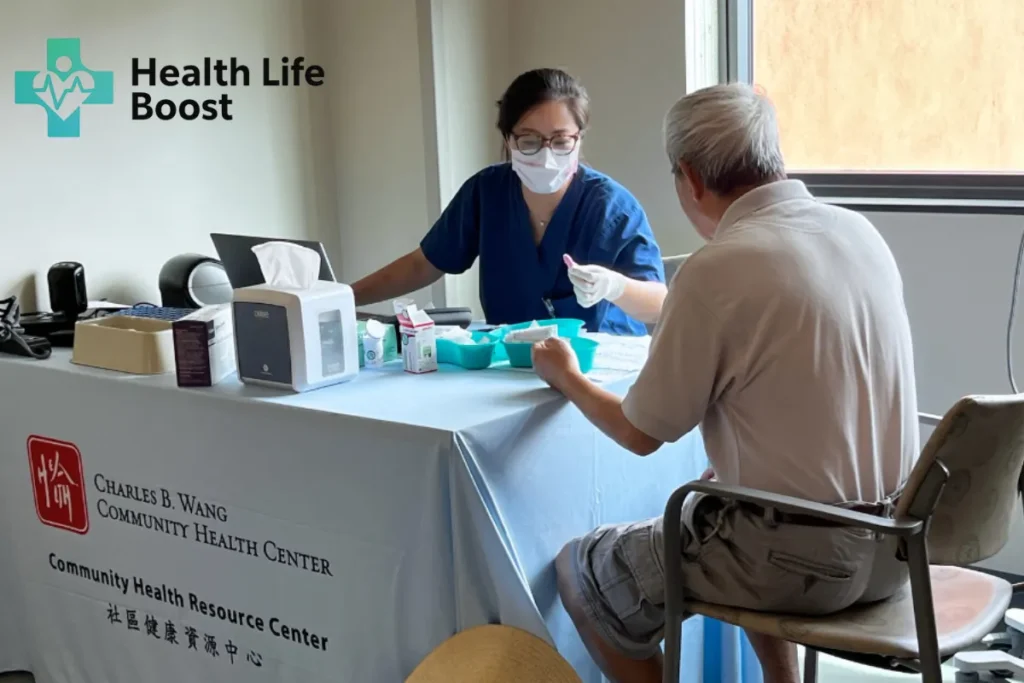
So, what does a health educator at Charles B. Wang actually do? First, they conduct one-on-one sessions with patients, providing personalized guidance on managing chronic conditions, understanding prescriptions, and making healthier lifestyle choices. Each conversation is designed to be simple, clear, and actionable, ensuring that every patient leaves with knowledge they can apply immediately.
Next, group workshops and seminars play a huge role. These sessions cover topics like nutrition, exercise, disease prevention, and preventive screenings. By participating in these workshops, community members gain not just facts, but practical skills and confidence to improve their health.
A unique aspect of CBWCHC health educators is their cultural and linguistic expertise. Many are bilingual and bicultural, which allows them to connect deeply with patients from diverse backgrounds. This ensures that health education programs for Asian-American communities in NYC are culturally relevant and easy to understand. Materials are carefully adapted, and communication is tailored, so language or cultural differences never become barriers to wellness.
Beyond teaching, health educators engage in community outreach, taking programs outside the center to reach people in neighborhoods, schools, and community centers. This proactive approach helps bring health education to underserved communities that might otherwise lack access to these resources.
Finally, their role ties directly into Charles B. Wang’s legacy. By emphasizing prevention, education, and accessibility, these educators continue Wang’s vision of a community health center in the USA that not only treats illness but builds healthier communities in NYC. They serve as guides, mentors, and advocates—ensuring that every program, workshop, or counseling session contributes to long-term health improvements for the community.
Whether you’re considering a career as a health educator in the USA or simply want to understand the impact of these programs, CBWCHC offers a perfect example of how dedicated educators can transform public health, one patient at a time.
Health Education Programs and Services
The Charles B. Wang Community Health Center (CBWCHC) is not just a place to see a doctor—it’s a hub for innovative health education programs designed to empower the community. These programs play a vital role in preventing disease, improving health literacy, and supporting long-term wellness for underserved populations, especially Asian-American communities in NYC.
1. One-on-One Counseling
One of the most impactful services is personalized health education. In one-on-one sessions, health educators guide patients through managing chronic conditions, understanding medications, and adopting healthy lifestyle changes. Each session is tailored to the individual, ensuring that every patient gains knowledge they can use immediately.
2. Group Workshops and Seminars
CBWCHC offers group workshops on topics like nutrition, exercise, disease prevention, and mental health awareness. These sessions are interactive and practical, giving participants the skills and confidence to make lasting changes. From cooking demonstrations to exercise tips, these workshops make health education engaging, fun, and actionable.
3. Culturally Responsive Programs
A key part of CBWCHC’s success is cultural and linguistic adaptation. Many programs are conducted in multiple languages, with bilingual and bicultural health educators ensuring that materials and advice are culturally relevant. This approach helps remove barriers and makes health education accessible to every community member.
4. Community Outreach Initiatives
CBWCHC doesn’t wait for people to come in—they take programs directly into neighborhoods, schools, and community centers. Through outreach initiatives, the center reaches underserved communities in NYC, delivering preventive care education, screening information, and wellness workshops. These efforts directly support building healthier communities in NYC.
5. Disease Prevention and Health Behavior Programs
From screenings and vaccinations to health behavior change initiatives, CBWCHC focuses on empowering people to take charge of their health. By addressing both knowledge and behavior, these programs reduce the risk of chronic illnesses and improve overall community wellness.
Thanks to these services, CBWCHC health educator programs for underserved communities are widely recognized as a model for effective community health education in the USA. They demonstrate how combining medical care with structured, culturally competent education can transform lives and strengthen the health of entire neighborhoods.
Keywords naturally included:
Charles B. Wang Community Health Center, CBWCHC, health education programs, health educators, one-on-one sessions, group workshops, disease prevention, health behavior change, community outreach, health education programs for Asian-American communities in NYC, bilingual and bicultural, building healthier communities in NYC, community health center
Charles B. Wang’s Legacy in Health Education
When we think about Charles B. Wang, it’s easy to focus on his success as a businessman. But his true legacy shines through the impact he made on health education in the USA, especially through the Charles B. Wang Community Health Center (CBWCHC).
Wang understood that access to healthcare alone wasn’t enough. Communities needed knowledge, guidance, and education to prevent illness and maintain wellness. This insight led him to support the creation and growth of health education programs that now serve Asian-American populations in NYC and other underserved communities.
Thanks to his vision, CBWCHC health educator programs for underserved communities provide more than just medical advice—they teach people how to live healthier lives. By funding culturally responsive programs, workshops, and community outreach initiatives, Wang ensured that health education became an integral part of community care.
His legacy is also seen in the bilingual and bicultural approach of the health educators. Wang recognized that language and culture can be barriers to understanding health information, so he supported programs that delivered education in multiple languages and with cultural sensitivity. This approach allows patients to fully understand and apply the knowledge they receive, truly making health education accessible to all.
Beyond the walls of the center, Wang’s influence continues to inspire other community health centers in the USA. By demonstrating how a dedicated focus on health education, disease prevention, and behavior change can improve community wellness, he set a standard for health educators and public health professionals nationwide.
Even today, his vision guides the work of health educators at CBWCHC, reminding them that education is just as important as treatment. From workshops and counseling sessions to outreach programs, every initiative reflects his commitment to building healthier, stronger communities in NYC.
In short, Charles B. Wang’s legacy in health education is a powerful reminder that one person’s dedication can transform the lives of thousands. Through his foresight, health educators at CBWCHC continue to empower communities, one patient at a time.
How the Community Benefits
The work of health educators at the Charles B. Wang Community Health Center (CBWCHC) goes far beyond providing information—it transforms lives. By combining clinical care with health education programs, the center ensures that community members in NYC not only receive treatment but also learn how to prevent illness and maintain long-term wellness.
1. Access to Multilingual Services
Many patients at CBWCHC speak limited English. Thanks to bilingual and bicultural health educators, health education programs for Asian-American communities in NYC are accessible and easy to understand. Patients can ask questions, get explanations in their own language, and feel confident about their health decisions.
2. Improved Health Literacy
Through one-on-one counseling, group workshops, and community outreach initiatives, the community gains a better understanding of health topics, such as nutrition, chronic disease management, preventive screenings, and vaccinations. Higher health literacy means people can make smarter choices, follow care plans effectively, and reduce the risk of serious illnesses.
3. Disease Prevention and Behavior Change
CBWCHC programs focus on preventive care and health behavior change. From managing diabetes and hypertension to adopting healthy eating and exercise habits, patients learn practical skills that make a real difference. These efforts help build healthier communities in NYC and reduce long-term healthcare costs for families.
4. Community Engagement and Outreach
Health educators take programs into neighborhoods, schools, and community centers, reaching underserved communities in NYC that might not otherwise have access to education and care. By meeting people where they live, these initiatives create a supportive network that strengthens the community as a whole.
5. Empowerment Through Knowledge
Perhaps the most important benefit is empowerment. Patients leave CBWCHC not just with treatment, but with the tools, confidence, and knowledge to take charge of their health. This ripple effect spreads through families and neighborhoods, creating lasting positive change.
In essence, the CBWCHC health educator programs for underserved communities turn knowledge into action. The combination of culturally responsive programs, hands-on workshops, and personal guidance ensures that every person has a chance to lead a healthier life. Thanks to Charles B. Wang’s vision, these programs continue to make a measurable difference in public health in the USA, especially for Asian-American communities in NYC.
Career Opportunities for Health Educators in the USA
If you’re inspired by the work happening at the Charles B. Wang Community Health Center (CBWCHC), becoming a health educator in the USA might be your next step. These roles are not just jobs—they’re opportunities to make a real difference in people’s lives while building a meaningful career.
1. Roles and Responsibilities
Health educators at CBWCHC and other community health centers in the USA work on a variety of tasks:
- Conducting one-on-one counseling to guide patients in managing chronic diseases.
- Leading group workshops and seminars on nutrition, exercise, disease prevention, and wellness.
- Developing culturally adapted educational materials to reach diverse communities.
- Engaging in community outreach initiatives to bring health education directly to underserved neighborhoods.
These roles allow health educators to combine teaching, advocacy, and public health expertise in a way that directly improves community health outcomes.
2. Skills and Qualifications
To excel as a health educator, you typically need:
- Strong communication skills, including bilingual abilities in areas with diverse populations.
- Cultural competence to connect effectively with patients from different backgrounds.
- Knowledge of disease prevention, health behavior change, and wellness programs.
- A passion for community outreach and public health.
Many programs, like those at CBWCHC, offer training and mentorship, helping educators gain hands-on experience while serving the community.
3. Career Growth and Opportunities
The demand for health educators in the USA continues to grow. You can work in:
- Community health centers like CBWCHC.
- Hospitals and clinics offering patient education programs.
- Nonprofit organizations focused on public health outreach.
- Government agencies promoting health literacy and disease prevention.
These roles often lead to leadership opportunities, program management positions, or specialized roles in community health initiatives.
4. Making an Impact
Beyond the paycheck, the most rewarding part of this career is seeing the direct impact of your work on the community. By guiding individuals toward healthier choices and supporting health education programs for underserved communities, you contribute to building healthier communities in NYC and across the USA.
For anyone passionate about public health, community service, and education, a career as a health educator inspired by Charles B. Wang’s vision is both fulfilling and transformative.
Lessons for Modern Health Educators
The work of health educators at the Charles B. Wang Community Health Center (CBWCHC) offers valuable lessons for anyone interested in health education in the USA. From their innovative programs to culturally sensitive approaches, modern health educators can learn a lot from this successful model.
1. Prioritize Cultural Competence
One of the most important takeaways is the power of culturally responsive programs. By understanding the unique needs of Asian-American communities in NYC, CBWCHC health educators ensure that patients feel understood and supported. Modern educators should adopt bilingual and bicultural approaches whenever possible to break down barriers and make health education accessible to all.
2. Combine Education with Practical Guidance
Health education works best when it’s hands-on and actionable. CBWCHC programs don’t just give information—they provide tools for real-life application. Whether it’s one-on-one counseling or group workshops, effective educators teach patients how to manage chronic diseases, adopt healthier lifestyles, and prevent illness.
3. Engage the Community Directly
Community outreach is a cornerstone of CBWCHC’s success. Taking health education into neighborhoods, schools, and community centers ensures that underserved populations aren’t left behind. Modern health educators should remember: meeting people where they are creates trust, accessibility, and lasting impact.
4. Focus on Prevention and Behavior Change
Education alone isn’t enough. CBWCHC emphasizes disease prevention and health behavior change to reduce risks before problems arise. Modern educators should design programs that empower individuals to take proactive steps toward wellness, reinforcing lessons learned in workshops or counseling sessions.
5. Measure Impact and Adapt
CBWCHC continuously assesses the effectiveness of its health education programs for underserved communities. Modern educators should track outcomes, gather feedback, and adapt programs to meet evolving community needs. This iterative approach ensures long-term success and stronger community health.
6. Lead with Empathy and Passion
Finally, perhaps the most important lesson is to lead with empathy. Charles B. Wang’s vision reminds us that health education is not just about information—it’s about caring for people, listening to their needs, and empowering them to live healthier lives. Every workshop, outreach effort, and counseling session should reflect this commitment.
By applying these lessons, modern health educators in the USA can emulate the success of CBWCHC, making a real difference in their communities while building a rewarding and impactful career.
Conclusion and Call to Action
The story of Charles B. Wang and the Charles B. Wang Community Health Center (CBWCHC) is a powerful reminder of how one person’s vision can transform the health of entire communities. Through dedicated health educators, innovative health education programs, and culturally responsive initiatives, CBWCHC continues to serve Asian-American populations in NYC and other underserved communities in the USA.
From one-on-one counseling to group workshops, disease prevention programs, and community outreach initiatives, the center empowers individuals to take control of their health. These efforts don’t just treat illness—they build healthier communities in NYC, improve health literacy, and inspire positive health behavior change that lasts a lifetime.
For anyone inspired by this model, there are countless opportunities to make an impact as a health educator in the USA. Whether you’re considering a career in community health centers, interested in public health education, or want to support programs like those at CBWCHC, now is the time to take action. Every effort counts, from volunteering and mentoring to spreading awareness about health education programs for underserved communities.
Charles B. Wang’s legacy reminds us that education, compassion, and community engagement are at the heart of lasting public health improvements. By supporting or becoming a health educator, you can help continue his mission of empowering individuals, improving lives, and creating healthier communities across the USA.
Take the first step today—learn from the CBWCHC model, share knowledge, and be part of a movement that makes a real difference. Because when communities are educated, engaged, and empowered, healthier futures are possible for everyone.