
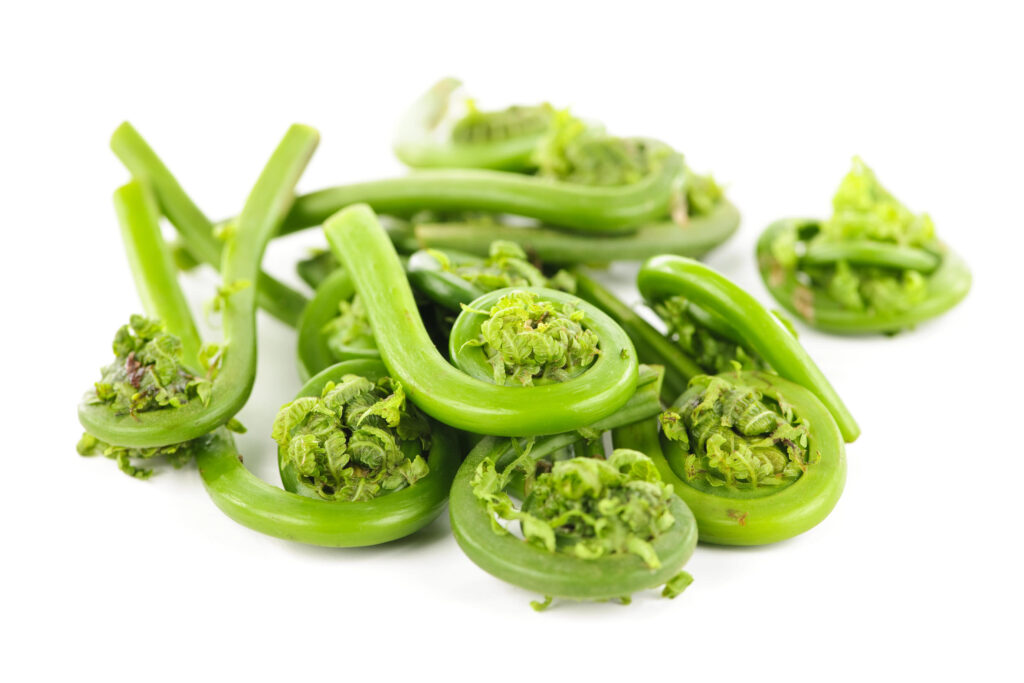
Discover the amazing fiddlehead health benefits! Learn how these springtime superfoods boost immune system, heart health, digestion, and support weight management. Safe, nutritious, and delicious ways to enjoy fiddleheads in your U.S. diet.
What Are Fiddleheads?
If you’ve ever walked through a forest in early spring, you might have spotted a small, coiled green shoot poking through the soil. These are fiddleheads, the young, curled fronds of certain ferns, most commonly the ostrich fern. They’re not just a pretty sight—they’re a nutritional powerhouse that has been enjoyed for centuries.
So, what makes fiddleheads so special? For starters, they’re packed with vitamins and nutrients your body needs. Just a cup of cooked fiddleheads contains Vitamin A, Vitamin C, potassium, iron, manganese, and omega‑3 fatty acids. That’s right—these tiny green spirals are bursting with health-boosting goodness! They’re also low in calories, making them perfect for anyone looking for a weight management-friendly vegetable.
Beyond the nutrition label, fiddleheads health benefits extend to your overall well-being. They’re rich in fiber, which keeps your digestion smooth and helps you feel fuller longer. Their antioxidants and anti-inflammatory compounds help fight harmful molecules in your body, supporting your immune system and keeping your heart healthy. Some studies even suggest that including fiddleheads in your diet can help reduce the risk of certain chronic conditions.
But it’s not just about the numbers. Fiddleheads have a fresh, nutty flavor with a hint of asparagus and green beans, making them a versatile addition to meals. You can steam, sauté, or boil them, and they pair wonderfully with garlic, lemon, or olive oil. Incorporating fiddleheads into your diet is not only healthy—it’s also delicious!
Before you grab a bunch from your local market or go foraging in the wild, there are a few things to keep in mind. Some ferns can be toxic, and eating raw fiddleheads can lead to foodborne illness. Cooking them properly ensures you enjoy all their health benefits safely.
In short, fiddleheads are a springtime treasure that delivers a serious nutritional punch. From immune support to digestive health, from weight management to antioxidant protection, they are a must-add to your plate if you’re looking to boost your health naturally. So the next time you see those curled green shoots, don’t just admire them—think about the amazing benefits of fiddleheads waiting for your body!
Nutritional Profile of Fiddleheads
If you think fiddleheads are just a pretty spring vegetable, think again! These tiny green spirals are a nutritional powerhouse. Let’s break down why they deserve a spot on your plate.
Calories and Macronutrients
A cup of cooked fiddleheads has roughly 34 calories, making them an excellent choice for weight management. They’re low in fat but rich in fiber, which helps your digestion and keeps you feeling full longer. That’s a win if you want a nutrient-dense, low-calorie vegetable in your daily meals.
Vitamins
Fiddleheads are packed with essential vitamins your body needs, especially Vitamin A and Vitamin C. Vitamin A is great for your eye health and immune system, while Vitamin C boosts your antioxidant defenses, helping fight harmful molecules in your body. Including fiddleheads in your diet is an easy way to get these vitamins naturally.
Minerals
These green shoots are also rich in important minerals like potassium, manganese, iron, and copper. Potassium supports a healthy heart and blood pressure, manganese aids in bone health, and iron is essential for red blood cell production. These minerals work together to make fiddleheads a well-rounded addition to your diet.
Omega-3 Fatty Acids
You might be surprised to learn that fiddleheads contain omega-3 fatty acids, which are typically found in fish. Omega-3s help reduce inflammation and support heart and brain health, making these ferns a tiny but mighty superfood.
Antioxidants and Anti-Inflammatory Compounds
Another impressive feature of fiddleheads is their high content of antioxidants and anti-inflammatory compounds. These natural compounds help your body fight oxidative stress, protect your cells, and keep your immune system strong. Regularly eating fiddleheads can contribute to long-term overall health and well-being.
Summary
In short, these little green curls are packed with everything your body loves: vitamins, minerals, fiber, omega-3 fatty acids, and antioxidants. They’re low in calories, easy to cook, and full of natural benefits. From boosting your immune system to supporting digestive health and heart function, fiddleheads health benefits are truly impressive for such a small vegetable.
So the next time you see fiddleheads at the farmers’ market or in your spring foraging, remember—you’re not just getting a tasty treat, you’re fueling your body with one of nature’s most nutrient-rich foods.
Key Health Benefits of Fiddleheads
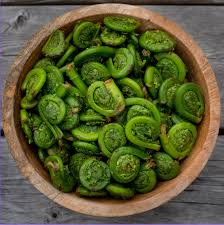
Now that we know what’s inside these tiny green spirals, let’s dive into the amazing health benefits of fiddleheads. From immune support to weight management, this springtime superfood packs a serious punch.
1. Boosts Your Immune System
Fiddleheads are rich in Vitamin C and antioxidants, which help your body fight off infections. Eating these nutrient-dense vegetables regularly can strengthen your immune system, keeping you healthier during cold and flu season.
2. Supports Heart and Cardiovascular Health
With potassium, fiber, and omega-3 fatty acids, fiddleheads are great for your heart. Potassium helps regulate blood pressure, while fiber reduces cholesterol levels. Together, they contribute to a healthy heart and better cardiovascular function.
3. Improves Digestive Health
Thanks to their high fiber content, fiddleheads help keep your digestion smooth. They aid in preventing constipation, support gut health, and even help you feel fuller longer. This makes them a fantastic addition to a weight-loss or weight management plan.
4. Anti-Inflammatory and Antioxidant Properties
The antioxidants and anti-inflammatory compounds in fiddleheads help protect your cells from damage. They may reduce inflammation in the body, which is linked to chronic conditions like heart disease and diabetes. Including fiddleheads in your diet supports long-term health.
5. Promotes Eye Health
Vitamin A in fiddleheads is essential for healthy eyes. It helps maintain good vision and supports your overall eye health, especially as you age.
6. Weight Management Friendly
Because fiddleheads are low in calories but rich in fiber, they are ideal for anyone looking to manage their weight. They fill you up without adding extra calories, making them a perfect nutrient-dense food for a low-calorie diet.
7. Overall Wellness and Energy Boost
With their mix of vitamins, minerals, and omega-3 fatty acids, fiddleheads provide natural energy and support overall wellness. Eating them regularly can make you feel more energized, balanced, and ready to take on your day.
Fiddleheads for Weight Management
If you’re looking for a nutrient-packed, low-calorie food to support your weight goals, fiddleheads are a perfect choice. These tiny green spirals aren’t just delicious—they’re also weight management-friendly vegetables that can help you stay on track while still enjoying flavorful meals.
Low-Calorie, High-Nutrient Superfood
A cup of cooked fiddleheads contains roughly 34 calories, yet it’s loaded with fiber, vitamins, and minerals. That means you get a lot of nutrition without overloading on calories—a key factor if you’re following a low-calorie diet. Fiber also helps you feel full longer, so you’re less likely to snack between meals.
Supports Healthy Digestion
Thanks to their high fiber content, fiddleheads aid in digestive health, promoting regular bowel movements and a healthy gut. Good digestion is essential for weight management, and adding these nutrient-dense vegetables to your meals can make a big difference.
Stabilizes Energy Levels
Unlike sugary snacks that spike your blood sugar, fiddleheads provide steady energy. Their nutrient profile—including iron, potassium, and omega-3 fatty acids—supports your metabolism and keeps you energized throughout the day. This can help prevent fatigue that sometimes sabotages weight-loss goals.
A Delicious, Versatile Addition
Fiddleheads aren’t just healthy—they’re tasty too. You can steam, boil, or sauté them with olive oil, garlic, or lemon. Adding them to salads, stir-fries, or side dishes makes your meals more satisfying without extra calories. By incorporating fiddleheads into your diet regularly, you can enjoy weight management benefits while still eating foods you love.
Summary
For anyone aiming to lose weight or maintain a healthy figure, fiddleheads are a smart, flavorful choice. Low in calories, rich in fiber and nutrients, and easy to cook, they make staying on track with your weight management plan easier and more enjoyable. Plus, you get the added perks of immune support, heart health, and digestive benefits—all from one seasonal superfood.
Safety Considerations and Risks
While fiddleheads are a delicious and nutrient-dense vegetable, it’s important to enjoy them safely. Eating them the wrong way can reduce their benefits—or worse, cause foodborne illness. Let’s go over some key safety considerations so you can enjoy all the health benefits of fiddleheads without worry.
Cook Fiddleheads Thoroughly
One of the most important rules is never eat raw fiddleheads. Raw or undercooked shoots may carry bacteria that can lead to stomach upset. Boiling or steaming fiddleheads for at least 10–15 minutes ensures they are safe to eat. This simple step protects your digestive system while keeping all their nutrients intact.
Identify Safe Fern Species
Not all fern shoots are edible. The most common safe variety in the U.S. is the ostrich fern. Some wild ferns contain toxins, so if you’re foraging, make sure you can correctly identify fiddleheads. If you’re buying from a grocery store or farmers’ market, stick to labeled, fresh fiddleheads to reduce risk.
Moderation is Key
Even though fiddleheads are healthy, overconsumption may lead to digestive discomfort due to their high fiber content. Start with 1 cup per serving, and gradually increase if your body tolerates it. This helps you enjoy the weight management and digestive health benefits without issues.
Watch for Allergies or Sensitivities
While rare, some people may experience mild allergic reactions to fiddleheads. If it’s your first time trying them, monitor how your body reacts. Allergies aside, properly prepared fiddleheads are safe and highly nutritious for most adults.
How to Include Fiddleheads in Your Diet
Now that we know how nutritious fiddleheads are and how to eat them safely, let’s explore some fun ways to incorporate these springtime superfoods into your meals. Eating fiddleheads doesn’t have to be complicated—they can easily boost your diet while keeping it tasty.
1. Simple Sautéed Fiddleheads
One of the easiest ways to enjoy fiddleheads is by sautéing them with garlic and olive oil. This method keeps the nutrients intact while adding a burst of flavor. Sprinkle a pinch of salt and pepper, and you have a quick, healthy side dish that pairs perfectly with grilled chicken or fish.
2. Add to Salads
Blanched or lightly steamed fiddleheads can be tossed into salads for a crunchy, nutrient-dense addition. Combine them with nuts, citrus, and leafy greens for a vibrant, immune-boosting meal. This is a great way to enjoy their fiber, vitamins, and minerals while keeping your salad fresh and exciting.
3. Stir-Fries and Veggie Bowls
Fiddleheads are excellent in stir-fries. Mix them with other vegetables like bell peppers, broccoli, or snap peas, and drizzle with soy sauce or sesame oil. Not only does this dish look colorful, but it also packs a punch of antioxidants, vitamins, and minerals, supporting heart and digestive health.
4. Soup and Pasta Recipes
Add fiddleheads to spring soups or pasta dishes. Their slightly nutty flavor blends beautifully in creamy or broth-based soups. Pair with whole-grain pasta for a weight management-friendly meal that keeps you full and nourished.
5. Tips for Daily Use
- Start with 1 cup per serving to get the health benefits without digestive discomfort.
- Combine fiddleheads with other nutrient-rich foods to maximize absorption of vitamins and minerals.
- Keep cooked fiddleheads in the fridge for 2–3 days, or freeze for later use.
Summary
Including fiddleheads in your diet is easier than you think. Whether you sauté, add them to salads, stir-fries, soups, or pasta, these nutrient-dense vegetables offer a delicious way to boost your immune system, support heart and digestive health, and enjoy a low-calorie, weight management-friendly meal. With so many options, you can easily make fiddleheads a regular part of your springtime meals.
Fiddleheads Compared to Other Superfoods
You might be wondering, “How do fiddleheads stack up against other popular spring vegetables and superfoods?” Let’s take a look and see why these little green spirals deserve a spot on your plate.
Fiddleheads vs Asparagus
Both fiddleheads and asparagus are low in calories and packed with nutrients, but fiddleheads have a higher content of Vitamin A and antioxidants, which are essential for eye health and protecting your body from harmful free radicals. Plus, fiddleheads contain omega-3 fatty acids, which asparagus doesn’t offer, giving them an extra boost for heart and brain health.
Fiddleheads vs Kale and Spinach
Kale and spinach are known for their nutrient density, but fiddleheads stand out with unique anti-inflammatory compounds and a distinct nutty flavor that adds variety to your meals. While all three are great sources of fiber and vitamins, fiddleheads provide a spring-only seasonal treat that can keep your diet exciting.
Why Fiddleheads Are Unique
- Seasonal and fresh: fiddleheads are available in early spring, making them a limited-time superfood.
- Nutrient variety: Packed with vitamins, minerals, antioxidants, fiber, and omega-3 fatty acids.
- Low-calorie and versatile: Ideal for weight management and healthy cooking.
- Culinary adaptability: Works in salads, stir-fries, soups, pasta, and more.
Summary
When compared to other superfoods, fiddleheads not only deliver impressive health benefits but also bring fresh flavor and versatility to your meals. From immune support to digestive health, these tiny green shoots compete with the best spring vegetables while offering some unique perks you won’t get from asparagus, spinach, or kale.
Including fiddleheads in your diet is a delicious, nutrient-rich way to maximize your overall wellness while enjoying one of nature’s seasonal treasures.
Foraging and Sourcing Fiddleheads in the U.S.
If you’re excited to enjoy fiddleheads in your meals, it helps to know where and how to get them. Whether you’re foraging in the wild or buying from a local market, a little knowledge goes a long way in making sure you get the freshest, safest, and most nutritious fiddleheads.
Foraging Fiddleheads
In the U.S., fiddleheads are usually harvested in early spring, just as the young fronds start to curl. The most common edible type is the ostrich fern, which grows near streams, rivers, and damp wooded areas. If you plan to forage:
- Make sure you correctly identify fiddleheads, as some ferns are toxic.
- Pick only the tightly coiled shoots, leaving mature ferns to grow.
- Harvest sustainably—take only what you need and avoid over-harvesting.
Buying Fiddleheads
Not everyone wants to forage, and that’s okay! Many U.S. farmers’ markets, grocery stores, and specialty stores carry fresh or frozen fiddleheads in spring. When buying:
- Look for bright green, firm, and tightly coiled shoots.
- Avoid wilted, yellowing, or slimy fiddleheads.
- Frozen fiddleheads are a great option when fresh ones aren’t available, and they retain most nutrients and health benefits.
Tips for Seasonal Enjoyment
- Fiddleheads are a springtime superfood, so plan your meals accordingly.
- Check local farmers’ markets for organic or sustainably sourced options.
- If buying frozen, blanch or steam them before adding to recipes to ensure safety.
Summary
Whether you forage or buy from the store, fiddleheads are best enjoyed fresh in spring. By following proper identification, sustainable harvesting, and preparation techniques, you can safely enjoy the nutrient-dense benefits of fiddleheads. From immune support to heart, digestive, and eye health, sourcing fresh fiddleheads in the U.S. allows you to maximize both flavor and wellness.
Frequently Asked Questions About Fiddleheads
To make sure you get the most out of fiddleheads, here are answers to some of the most common questions people have about this springtime superfood.
Q1: Are fiddleheads safe to eat?
Yes—fiddleheads are safe as long as you cook them properly. Never eat raw fiddleheads, as they may contain bacteria that can cause foodborne illness. Boiling, steaming, or sautéing for at least 10–15 minutes ensures they’re safe and still packed with nutrients.
Q2: How many fiddleheads should I eat at a time?
A good rule of thumb is about 1 cup per serving. This provides plenty of vitamins, minerals, fiber, and antioxidants while avoiding digestive discomfort from too much fiber.
Q3: Can children eat fiddleheads?
Yes! Kids can enjoy fiddleheads safely if they are thoroughly cooked. Start with small portions and serve them as part of a balanced meal.
Q4: What are the health benefits of eating fiddleheads?
Fiddleheads health benefits include:
- Boosting the immune system
- Supporting heart and cardiovascular health
- Improving digestive health
- Anti-inflammatory and antioxidant protection
- Promoting eye health
- Assisting with weight management
Q5: Can I eat fiddleheads raw?
No, eating raw fiddleheads is not recommended. Proper cooking ensures you get the nutritional benefits safely.
Q6: How do fiddleheads compare to other vegetables?
Compared to asparagus, kale, or spinach, fiddleheads offer unique antioxidants, omega-3 fatty acids, and anti-inflammatory compounds, making them a seasonal superfood with distinctive health benefits.
Q7: Where can I buy fiddleheads in the U.S.?
You can find fiddleheads at local farmers’ markets, grocery stores, or specialty stores during spring. Frozen fiddleheads are also a convenient option and retain most of their nutritional value.
Summary
These FAQs cover everything you need to know to enjoy fiddleheads safely and effectively. By following proper preparation and serving tips, you can take full advantage of their nutrient-rich, immune-boosting, and weight management-friendly benefits.
Conclusion
Fiddleheads are more than just a seasonal vegetable—they’re a springtime superfood packed with nutrients, antioxidants, and health benefits. From boosting your immune system to supporting heart, digestive, and eye health, these tiny green spirals offer a powerful punch in every bite.
Incorporating fiddleheads into your diet is simple and delicious. Whether you sauté, steam, boil, or add them to salads, stir-fries, soups, or pasta, these nutrient-dense vegetables make your meals more exciting and healthful. They’re also low in calories and high in fiber, making them perfect for weight management and maintaining overall wellness.
Remember, safety comes first. Always cook fiddleheads thoroughly, choose the right fern species, and start with moderate portions. By following these tips, you can fully enjoy the amazing health benefits of fiddleheads while avoiding potential risks.
Compared to other spring vegetables like asparagus, kale, or spinach, fiddleheads stand out with their unique antioxidants, omega-3 fatty acids, and anti-inflammatory compounds, making them a truly special addition to your diet.
Whether you’re foraging in the wild or buying from a farmers’ market in the U.S., fiddleheads are a seasonal treasure worth trying. They bring together nutrition, flavor, and versatility, giving you a superfood that not only tastes great but also nourishes your body from the inside out.
So this spring, don’t just admire those curled green shoots—embrace the health benefits of fiddleheads, add them to your meals, and enjoy one of nature’s most delightful and nutritious offerings. Your body will thank you!