
Learn what the 1996 Health Insurance Portability Act (HIPAA) is, why it was created, and how it protects your privacy, health insurance rights, and medical data.
What Is the 1996 Health Insurance Portability Act? (Simple Explanation)
If you’ve ever worried about your personal health information being shared without your permission, or wondered what happens to your health insurance when you change jobs, you’re not alone. These concerns are exactly why the 1996 Health Insurance Portability Act, also known as HIPAA, was created. Think of it as a giant shield that protects both your medical information and your rights. It’s a law that has been around for nearly 30 years, and it still matters just as much today.
The first big purpose of the Health Insurance Portability and Accountability Act was to make sure people didn’t lose their health insurance just because they switched jobs. Before this law existed, losing your job or changing your workplace often meant losing your coverage too. For many families, that was stressful and scary. This act changed that by adding strong rules that improved health insurance portability, so you could move from one job to another without worrying about losing your benefits.
The second purpose of the 1996 health insurance portability act was to protect your private medical information. That’s where the famous HIPAA Privacy Rule and the HIPAA Security Rule come into play. These rules guard your protected health information (PHI), which basically means anything personal about your health. It includes things like your medical history, your test results, and even something simple like your name when it’s connected to your health records. HIPAA makes sure doctors, hospitals, and insurance companies handle your PHI with care.
HIPAA also plays a big role in the digital world. Since so much medical information is stored electronically, the HIPAA Security Rule makes sure that electronic information is locked down and protected from cyber threats. This means your details stay safe whether they’re written on paper or stored on a computer.
But there’s even more. HIPAA also includes the Breach Notification Rule, which requires healthcare providers to tell you if your information has been exposed. That kind of honesty builds trust and helps you stay informed. Another key part of HIPAA is its impact on covered entities and their business associates—basically, the people and companies handling your medical details. They all must follow strict rules to keep your information safe.
At its heart, the 1996 Health Insurance Portability Act gives you control, protects your privacy, and gives you confidence that your health information stays where it should—safe, secure, and in your hands.
Why the 1996 Health Insurance Portability Act Was Created
To really understand why the 1996 Health Insurance Portability Act — or HIPAA — matters so much today, you first need to know what life looked like before it existed. Believe it or not, things back then were a lot messier. There were no strong national rules to protect your medical information, and there weren’t enough safeguards to help people keep their health insurance when switching jobs. Families were often left stressed, scared, and unsure of what would happen next.
Before the Health Insurance Portability and Accountability Act stepped in, insurance companies could deny coverage to people with “pre-existing conditions.” That means if someone had asthma, diabetes, heart issues, or any long-term health problem, getting insurance could be incredibly hard or way too expensive. Imagine being told you couldn’t get care simply because you had been sick before. It was unfair, and millions of people struggled.
Another major issue was losing insurance when changing jobs. If someone left their workplace—whether by choice or not—their health insurance often disappeared instantly. This created fear, especially for parents worried about protecting their children. The health insurance portability part of HIPAA fixed this problem by making sure people could keep their insurance or get new coverage more easily.
Privacy was also a big concern. Medical records were handled much more loosely. Some offices stored sensitive information in unlocked cabinets, open folders, or computer systems with weak protection. That meant personal health details were at risk of being seen or shared without permission. When the HIPAA Privacy Rule and HIPAA Security Rule came along, they changed everything. These rules forced healthcare providers, insurers, and other covered entities to protect protected health information (PHI) in a safe, responsible way.
HIPAA also introduced structure into a growing digital world. As computers started replacing paper files, the need for stronger security grew. The law made sure every business associate handling PHI followed the same high-level protection standards. This reduced mistakes, improved trust, and made healthcare more secure for everyone.
In simple terms, HIPAA was created to stop unfair treatment, prevent health insurance gaps, and protect your medical privacy. It became a powerful shield that brought stability to millions of people, setting the foundation for the secure healthcare system we rely on today.
Key Protections Under the 1996 Health Insurance Portability Act
When the 1996 Health Insurance Portability Act was introduced, it wasn’t just another law. It brought real, life-changing protections that millions of people still depend on today. These protections were designed to make healthcare fair, safe, and more stable for everyone. Let’s break down the most important parts in simple, easy-to-understand language so you know exactly what this law does for you.
One of the most powerful changes was the rule against denying coverage because of pre-existing conditions. Before the Health Insurance Portability and Accountability Act, people with long-term illnesses often felt punished just for being sick. The law helped stop this unfair treatment and gave people the chance to get health insurance without fear.
Another major protection came from the HIPAA Privacy Rule, which made sure that your protected health information (PHI) stays private. Your medical information is personal, and you deserve to feel safe sharing it with doctors and hospitals. Thanks to HIPAA, healthcare providers, insurers, and any covered entity must follow strict rules before they can use or share your information. This protects everything from your test results to your health history.
The HIPAA Security Rule strengthened this even further. As medical records moved from paper files to computers, new threats appeared. Hackers, data leaks, and careless mistakes could expose your information. The Security Rule made sure that every healthcare organization uses secure systems, digital safeguards, and strong protections. So even as technology grows, your private information stays safe.
HIPAA also introduced protections that help keep your coverage stable. With health insurance portability, you gain the ability to maintain coverage when switching jobs or moving to a new employer. This reduces uncertainty and helps families feel more secure during life changes.
Another important part of the law protects your rights with business associates—the companies that help hospitals or clinics manage your data. HIPAA requires them to follow the same strict privacy and security rules. This means fewer risks, fewer mistakes, and more trust across the entire healthcare system.
Together, these protections form a strong shield that guards your privacy, your coverage, and your peace of mind. The 1996 Health Insurance Portability Act wasn’t just created to fix old problems—it was designed to give people confidence that their health information and insurance would always be treated with respect and care.
How the 1996 Health Insurance Portability Act Protects Your Privacy
One of the most comforting things about the 1996 Health Insurance Portability Act is how strongly it protects your personal information. Your medical details are a big part of your life, and you deserve to feel safe every time you visit a doctor, pharmacy, clinic, or hospital. Before this law, privacy wasn’t taken seriously enough, and your information could easily end up in the wrong hands. That’s why HIPAA became such an important shield for everyone.
The HIPAA Privacy Rule is one of the biggest parts of this protection. It controls how your protected health information (PHI) can be used or shared. PHI includes things like your test results, health history, medical treatments, and even your basic details. Thanks to the Privacy Rule, healthcare providers must ask for your permission before sharing your information. This gives you more power and more control over what happens with your personal data.
Another huge part is the HIPAA Security Rule. As the world shifted from paper files to digital records, new risks appeared. A simple computer mistake or weak password could put your information at risk. The Security Rule forces every covered entity and business associate to follow strict steps to keep digital medical records protected. This includes using strong passwords, encrypted systems, secure networks, and trained staff who know how to handle sensitive data safely.
What makes these protections even stronger is that they apply everywhere in the healthcare system. Whether you’re visiting your local doctor or getting help from a major hospital, the same rules follow your information. No one can access your data unless they truly need it to treat you or process your insurance.
HIPAA also helps build trust. When you share your medical story with a doctor, you want to feel understood and respected. The Privacy and Security Rules make sure that your information is treated with care, not taken lightly or handled casually. This sense of trust is essential for good healthcare, because you’re more likely to speak openly when you feel protected.
In simple words, the privacy protections created by the 1996 Health Insurance Portability Act make sure your personal medical details stay private, safe, and respected. These rules are the reason you can walk into a clinic and feel confident that your information won’t be misused or exposed.
Key Benefits of the 1996 Health Insurance Portability Act
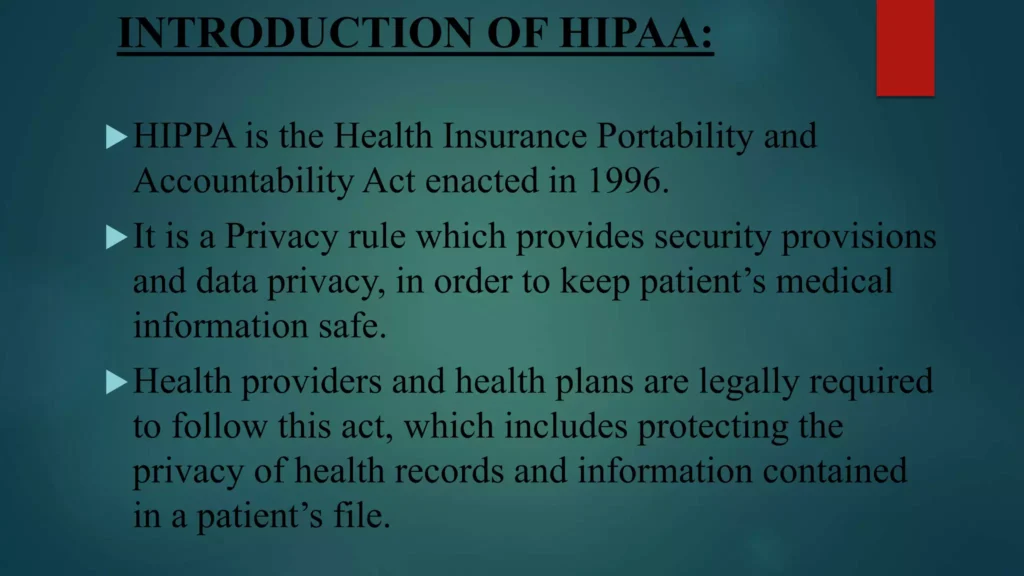
The 1996 Health Insurance Portability Act brought big, life-changing benefits for millions of people across the country. Before this law existed, families often felt confused and helpless when dealing with health insurance. HIPAA changed that by giving everyone stronger rights, better protection, and more peace of mind. Let’s break down the most important benefits in a way that’s easy to understand.
One of the biggest advantages is health insurance portability. This simply means you can switch jobs without losing your health coverage. Before HIPAA, many people felt trapped in their jobs because leaving meant losing their insurance instantly. Now, you can move from one workplace to another and still get insurance without starting from zero. This is especially powerful for parents who want steady coverage for their kids or anyone dealing with health challenges.
Another major benefit is protection from pre-existing condition discrimination. In the past, people with long-term health issues—like diabetes, asthma, or heart conditions—could be denied coverage or charged extremely high prices. The Health Insurance Portability and Accountability Act stopped this unfair practice. This one change alone helped millions of people receive the care they deserve without feeling judged or punished for a condition they already had.
HIPAA also gives you strong privacy protection through rules like the HIPAA Privacy Rule and the HIPAA Security Rule. These rules keep your protected health information (PHI) safe from being shared without your permission. This means your medical history, treatments, and test results stay private. Only people who need this information to help you—such as your doctor or insurance provider—can access it. This builds trust and helps you feel safe every time you walk into a clinic or talk to a healthcare professional.
Another powerful benefit is safer digital health records. As more medical files moved from paper folders to computers, the risk of data leaks grew. HIPAA made sure that every covered entity and business associate follows strong security steps to protect your information. This includes safer computer systems, trained employees, and strict rules about how your information is stored and shared.
In simple terms, the 1996 Health Insurance Portability Act gave people fairness, safety, and confidence. It made sure you are treated with respect, your information stays protected, and your health coverage stays with you when you need it the most.
Who the 1996 Health Insurance Portability Act Applies To
The 1996 Health Insurance Portability Act doesn’t just apply to one small group of people. It covers a wide range of individuals and organizations to make sure everyone stays protected. Understanding who HIPAA applies to helps you see how your information moves safely through the healthcare system.
First, HIPAA applies to covered entities. These are the main groups that work directly with your health information. Covered entities include your doctor, hospitals, pharmacies, health clinics, and your health insurance company. Whenever you get a checkup, fill a prescription, or file a claim, these groups handle your medical details. HIPAA makes sure they follow strict rules like the HIPAA Privacy Rule and HIPAA Security Rule to keep your protected health information (PHI) safe.
Another group covered by HIPAA is business associates. These are companies that help healthcare providers do their jobs. For example, a billing company that sends out insurance claims or a software company that stores health records are both business associates. Even though they don’t treat patients directly, they still work with PHI. That’s why the Health Insurance Portability and Accountability Act requires them to follow the same security steps as covered entities. This way, your information stays protected no matter who handles it.
HIPAA also applies to health plans like employer-sponsored insurance, government health programs, and private insurers. These plans must follow the rules to make sure your information isn’t shared without your okay. This is especially important for families who rely on insurance to handle their medical bills and treatments.
The law even affects clearinghouses, which are special organizations that process data between healthcare providers and insurance companies. They help make sure claims are sent and received correctly. Since they deal with so much sensitive information, they must follow HIPAA guidelines carefully.
On top of that, HIPAA influences how digital systems store and protect your data. This means every computer, file, and network used to handle PHI must follow the same high standards. This uniform system makes everything more secure and trustworthy.
In short, the 1996 Health Insurance Portability Act applies to almost every part of the healthcare world. From your local doctor to large insurance companies, everyone must protect your information and treat it with care. This wide coverage ensures your privacy stays intact and your health details remain safe no matter where you go for help.
How the 1996 Health Insurance Portability Act Improved Healthcare Access
The 1996 Health Insurance Portability Act changed healthcare in a way that made life easier and less stressful for millions of people. Before this law existed, many families felt scared about losing coverage or being denied care. HIPAA helped remove those fears and opened the door to fairer and safer health access for everyone.
One of the biggest improvements came from health insurance portability. Before HIPAA, switching jobs could mean losing your entire health plan overnight. This created fear for anyone who relied on regular checkups or long-term treatment. The Health Insurance Portability and Accountability Act protected people by allowing them to keep their coverage or move to a new plan without starting from scratch. This simple change helped families stay secure through job changes and tough times.
Another huge improvement was ending pre-existing condition discrimination. Before HIPAA stepped in, insurance companies could refuse people with long-lasting medical issues. If someone had asthma, cancer, or diabetes, getting coverage was either impossible or extremely expensive. HIPAA made this unfair practice illegal. This change gave millions of people the chance to receive care without worrying about being judged for their health history.
HIPAA also improved access by protecting your protected health information (PHI). When people feel safe sharing their medical stories, they get better care. Thanks to rules like the HIPAA Privacy Rule and HIPAA Security Rule, patients can talk openly with their doctors, knowing their information won’t be shared without permission. This trust helps doctors understand your needs better and provide the right treatment.
The law also brought structure to a growing digital world. As more medical records moved onto computers, the risk of mistakes and leaks increased. HIPAA required every covered entity and business associate to follow strong security steps. This helped create a safer, more organized system where information could move quickly and securely. Faster access means better care.
Another improvement came from standardized electronic systems. HIPAA encouraged healthcare providers to use similar formats when sending and receiving medical information. This made processes like billing, record-sharing, and insurance claims much smoother. Patients benefit because less time is wasted, and important information gets where it needs to go faster.
In simple words, the 1996 Health Insurance Portability Act made healthcare more fair, more reliable, and more accessible. It gave people confidence that they could get the care they need, no matter their job, their health history, or where they go for treatment.
Common Misunderstandings About the 1996 Health Insurance Portability Act
Even though the 1996 Health Insurance Portability Act has been around for many years, a lot of people still misunderstand what it actually does. These misunderstandings can create confusion and make people worry for no reason. So let’s clear things up and break down the most common myths in a simple, friendly way.
One common misunderstanding is that HIPAA protects all personal information, like your address, phone number, or workplace details. That’s not true. The law protects your protected health information (PHI) — things like your medical records, health history, test results, and treatments. It doesn’t cover regular personal details unless they’re connected to your health data. This is why the HIPAA Privacy Rule focuses only on PHI.
Another misunderstanding is that HIPAA stops doctors from sharing any information at all. Some people think that even telling a family member about a patient’s condition is forbidden. In reality, HIPAA allows doctors to share information when it helps with care, payment, or safety. Healthcare providers just need to follow the rules that keep information private. This is what makes the Health Insurance Portability and Accountability Act both protective and practical.
A lot of people also believe that HIPAA gives them total control over every medical decision. While the law gives you important privacy rights, it doesn’t replace medical advice or clinical judgment. Your doctor still makes the best decisions based on training and experience. HIPAA simply makes sure your information is handled safely and respectfully.
Another big misunderstanding is that the HIPAA Security Rule only applies to large hospitals or big insurance companies. This is not true at all. Every covered entity and business associate must follow the same security standards. This includes small clinics, pharmacies, billing companies, and even certain software services. The goal is to protect your PHI everywhere, not just in big organizations.
Many people also think HIPAA is only about privacy. While privacy is a huge part, the law also protects things like health insurance portability, making it easier for you to keep coverage when changing jobs. It also prevents discrimination based on pre-existing conditions, giving everyone a fair chance at getting proper insurance.
In simple words, the 1996 Health Insurance Portability Act is not as complicated as it seems. It protects your health information, supports fair treatment, and helps you feel safe in the healthcare system. Clearing up these misunderstandings helps you see the real value of the law and the power it gives you as a patient.
The Lasting Impact of the 1996 Health Insurance Portability Act
The 1996 Health Insurance Portability Act has had a powerful and long-lasting impact on the healthcare world. Even though it was created many years ago, the changes it brought are still protecting people every single day. HIPAA didn’t just fix problems from the past—it built a strong foundation for the future of healthcare.
One of the biggest impacts is the idea of health insurance portability. Because of HIPAA, people can change jobs without being terrified of losing their health coverage. This freedom gives families a sense of security. It also encourages people to follow better job opportunities without worrying about insurance gaps. This simple protection continues to support millions of workers today.
Another major impact is the way HIPAA ended pre-existing condition discrimination. Before this law, insurance companies could deny coverage to people with long-term health problems. This caused fear, stress, and unfair treatment. Thanks to the Health Insurance Portability and Accountability Act, people with chronic conditions finally gained a fair chance at getting the care they needed. This change continues to shape modern insurance laws and protect vulnerable individuals.
HIPAA also brought a huge shift in how protected health information (PHI) is handled. Rules like the HIPAA Privacy Rule and the HIPAA Security Rule forced healthcare organizations to treat your medical details with more care and respect. Today, you can visit a doctor, clinic, or pharmacy with confidence, knowing your information won’t be shared carelessly. This level of trust has become a standard in healthcare because HIPAA set the bar so high.
The law also pushed the entire healthcare system toward safer digital practices. As technology grew, HIPAA made sure every covered entity and business associate followed strong security steps. This helped reduce mistakes, stop data leaks, and create safer electronic health records. Because of this, modern healthcare is faster, smarter, and more secure.
HIPAA didn’t just protect information—it changed how people communicate with their doctors. Patients feel more comfortable being honest about their symptoms, lifestyle, and struggles because they know their details stay private. Better honesty leads to better care, and that leads to healthier lives.
The lasting impact of HIPAA can be seen in every hospital, clinic, and insurance office today. It created a culture of protection, fairness, and respect. It built rules that keep evolving as technology grows. And most importantly, the 1996 Health Insurance Portability Act continues to give people peace of mind, knowing their information and their rights are protected.
Why the 1996 Health Insurance Portability Act Still Matters Today
Even though the 1996 Health Insurance Portability Act was created many years ago, it continues to play a huge role in protecting people today. HIPAA isn’t just an old law sitting on paper — it’s something that shapes your everyday healthcare experience. Every time you see a doctor, pick up medicine, or talk about your health, HIPAA is quietly working in the background to keep you safe.
One reason HIPAA still matters is because of health insurance portability. People change jobs more often now, and having the ability to keep coverage without fear is incredibly important. Families depend on stable insurance, and HIPAA helps make sure they don’t face sudden gaps that could affect their health.
Another reason it matters is the protection of pre-existing conditions. Even today, many people live with long-term health issues like asthma, cancer, or diabetes. Thanks to the Health Insurance Portability and Accountability Act, those individuals can’t be denied coverage because of their medical history. This is a life-changing protection that helps millions of Americans stay healthy and supported.
HIPAA also continues to protect your protected health information (PHI). With so much of healthcare now happening online — from digital records to online appointments — your personal details need strong protection. Rules like the HIPAA Privacy Rule and HIPAA Security Rule are more important now than ever. They make sure your health information is locked away safely instead of being exposed or shared without permission.
Another reason HIPAA stays important is technology. Every year, healthcare becomes more digital. New apps, online portals, and electronic systems are used to store and share information. HIPAA makes sure that every covered entity and business associate keeps up with strong security standards. This helps prevent data leaks, identity theft, and other risks that could hurt patients.
HIPAA also continues to build trust. When you talk to a doctor, you want to feel comfortable sharing the truth about what you’re feeling. That honesty helps you get better care. Because HIPAA protects your privacy, you can be open without fear that your information will be misused.
In simple words, the 1996 Health Insurance Portability Act still matters because it protects your rights, your privacy, and your access to fair healthcare. It reduces stress, keeps your information safe, and helps you receive the care you deserve in a fast-changing world.
Final Thoughts on the 1996 Health Insurance Portability Act
The 1996 Health Insurance Portability Act may seem like a law from long ago, but its impact is felt every single day. It changed healthcare in ways that protect your rights, your privacy, and your peace of mind. HIPAA created fairness where there was confusion, safety where there was risk, and trust where people once felt unsure.
Before HIPAA, many families worried about losing coverage when switching jobs. The idea of health insurance portability changed everything. It gave people the confidence to build better lives without fearing sudden gaps in insurance. That protection is still one of the most important benefits of the law.
Ending pre-existing condition discrimination was another life-changing step. Millions of people with long-term health issues finally gained a fair chance at getting the care they needed. This part of the Health Insurance Portability and Accountability Act continues to shape insurance rules today, keeping people safe from unfair treatment.
HIPAA also built a strong shield around your protected health information (PHI). With the HIPAA Privacy Rule and HIPAA Security Rule, your medical details are now guarded with care. Doctors, hospitals, covered entities, and business associates must follow strict rules to protect your information. This builds trust, encourages honesty, and leads to better health outcomes.
As healthcare becomes more digital, HIPAA matters even more. It pushes every organization to use safe systems, strong passwords, encrypted data, and secure networks. These protections help prevent dangerous data leaks and make sure your information stays private.
In the end, HIPAA isn’t just a law — it’s a promise. A promise that your information will stay safe, your rights will be respected, and your access to care will be protected. The 1996 Health Insurance Portability Act created a safer, fairer, and more dependable healthcare system that people can trust.
This law continues to support millions of families, and its protections will keep guiding the healthcare world for many years to come.