
Learn everything about health insurance for small business in the USA, including costs, plan options, tax credits, and how to choose the best coverage.
What Is Health Insurance for Small Business?
In the U.S., a small business usually means a company with 1 to 50 employees. If you fall into this group, you have access to special small business health insurance options designed just for you. These plans are built to be more flexible and affordable than big corporate plans.
So, how does it work?
As an employer, you choose a plan (or set of options), pay part of the monthly cost, and your employees pay the rest. This shared cost makes health insurance for small businesses more manageable for everyone involved.
You might also hear this called group health insurance for small business. That’s because you’re buying coverage for a group, not just one person. Group plans often come with better prices and stronger benefits compared to buying insurance alone.
Here’s why many owners decide to offer it:
- It helps attract good employees
- It keeps your team happy and loyal
- It shows you care about their well-being
And yes, it’s not just about employees. Many plans also cover you, the owner. That makes health insurance for small business owners a smart move for protecting your own health too.
You may be wondering about money (that’s normal!). The cost of health insurance for small business depends on a few things, like:
- How many employees you have
- Where your business is located
- The type of coverage you choose
The good news? There are ways to lower costs, including tax savings and alternative options like HRAs. Some businesses even qualify for small business health insurance tax credits, which can reduce how much you pay each year.
At its core, health insurance for small business in the USA is about peace of mind. It helps protect your people, your business, and your future. You don’t need to be an expert or a big company to get started—just a business owner who wants to do right by their team
Why Health Insurance for Small Business Matters More Than Ever
Let’s be real for a moment. Running a business is hard. You juggle costs, customers, and competition every single day. That’s exactly why health insurance for small business is no longer a “nice extra” — it’s a real game-changer.
Today, employees care deeply about health and security. When people feel protected, they work better, stay longer, and trust their employer more. Offering small business health insurance sends a powerful message: “You matter here.” That emotional connection is something money alone can’t buy.more info... health insurance
1️⃣ It Helps You Attract Better Employees
Good workers have options. When they compare jobs, benefits often matter just as much as salary. Businesses that offer health insurance for small businesses instantly stand out. Even a basic plan can make someone choose you over another employer.
2️⃣ It Keeps Your Team Loyal
Hiring is expensive. Training is exhausting. When employees have access to group health insurance for small business, they are more likely to stay. Less turnover means less stress, fewer mistakes, and more stability for your company.
3️⃣ Healthier Employees = Stronger Business
When people can visit a doctor early, small problems don’t turn into big ones. Small business health insurance plans help employees stay healthy, miss fewer workdays, and feel more energized. That directly improves productivity.
4️⃣ It Protects You Too
Many owners forget this part. Health insurance for small business owners often comes bundled with employee plans. That means you’re not just protecting your team — you’re protecting yourself and your family as well.
5️⃣ Financial Benefits You Shouldn’t Ignore
Yes, there’s a cost. But there’s also savings. Many employers qualify for small business health insurance tax credits, which can lower how much you pay each year. In simple terms, the government rewards you for taking care of your employees.
6️⃣ It Builds Trust and Credibility
Customers notice how businesses treat their people. Offering health insurance for small business in the USA makes your company look responsible, stable, and trustworthy. That reputation can open doors you didn’t expect.
At the heart of it all, health insurance for small business is about peace of mind. Your employees feel safer. You feel more confident. And your business becomes stronger from the inside out
In the next section, we’ll break down the different types of health insurance plans for small businesses, so you can see which options actually make sense for your situation.
Types of Health Insurance Plans for Small Businesses
Now comes the big question: What kind of plan should you choose?
The good news is you have options. Health insurance for small business is not one-size-fits-all. Different plans work better for different needs, budgets, and team sizes. Let’s break them down in a simple, easy way
1️⃣ Group Health Insurance Plans
This is the most common choice. With group health insurance for small business, you buy one plan that covers your employees as a group. You pay part of the monthly cost, and your employees pay the rest.
Why people like it:
- Lower prices than individual plans
- Strong coverage
- Employees understand it easily
This option is often seen as “real” small business health insurance, which helps build trust with your team.
2️⃣ SHOP Marketplace Plans
The SHOP (Small Business Health Options Program) is a government-backed option made just for small companies. These small business health insurance plans are ACA-compliant and easy to compare.
Best part?
If you qualify, you may get small business health insurance tax credits, which can save you a lot of money each year
This works well for businesses with 1–50 employees that want structure and simplicity.
3️⃣ Health Reimbursement Arrangements (HRAs)
HRAs are a flexible alternative. Instead of buying one group plan, you give employees money to buy their own insurance.
Two popular types:
- QSEHRA (for very small teams)
- ICHRA (for growing businesses)
Why owners love this:
- More cost control
- Less paperwork
- Employees choose what fits them
This option is growing fast in health insurance for small business in the USA.
4️⃣ Self-Funded or Level-Funded Plans
These plans are usually for businesses with more employees. Instead of paying fixed premiums, you help cover actual medical costs.
Pros:
- Potential savings
- More control
Cons:
- More risk
- Not ideal for very small teams
Still, some small business owners choose this to manage long-term costs.
5️⃣ Coverage for Business Owners
Don’t forget yourself. Many health insurance for small business owners options allow you to be covered under the same plan as your employees, keeping everything simple and organized.
How Much Does Health Insurance for Small Business Cost?
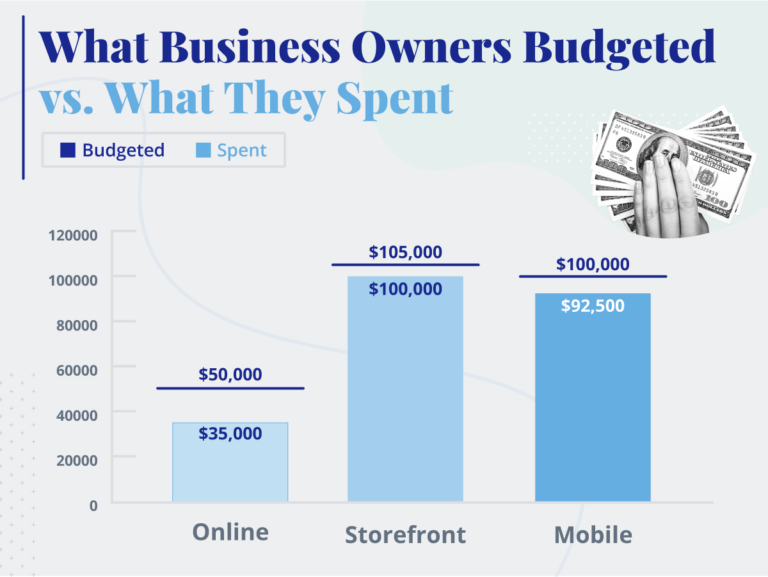
Let’s talk about the question every business owner asks first: How much will this cost me?
The honest answer is—it depends. But don’t worry, we’ll keep this simple and clear
On average, health insurance for small business in the USA costs a few hundred dollars per employee each month. Most employers don’t pay the full amount. Instead, the cost is shared. You pay a portion, and your employees pay the rest. This makes small business health insurance more affordable for everyone.
What Affects the Cost?
Several things influence the cost of health insurance for small business:
1️⃣ Number of Employees
The more employees you have, the more stable your pricing usually is. Group health insurance for small business often becomes more cost-friendly as your team grows.
2️⃣ Location of Your Business
Insurance prices change by state and even by city. That’s why health insurance for small business in one state may cost more than in another.
3️⃣ Type of Plan You Choose
Plans with lower monthly payments often have higher out-of-pocket costs. Plans with higher monthly payments usually cover more doctor visits and services. Choosing the right balance is key.
4️⃣ Employee Ages
Younger teams usually cost less to insure. Older employees may raise premiums slightly, which is common in small business health insurance plans.
5️⃣ Employer Contribution
Most employers cover 50% or more of the premium. You can choose how much to contribute, which gives you control over your budget.
Can You Lower the Cost?
Yes! Many businesses save money by:
- Using health insurance for small business tax credits
- Choosing high-deductible plans
- Offering HRAs instead of traditional plans
Some companies qualify for small business health insurance tax credits, which can reduce annual costs and make coverage much more affordable
Is It Worth the Cost?
For many owners, the answer is yes. Health insurance for small business owners protects your health, reduces employee stress, and builds a stronger company culture.
Think of it as an investment, not just an expense. When your people feel safe and supported, your business grows stronger from the inside out
How to Reduce Health Insurance Costs for Small Businesses
If you’re thinking, “Health insurance sounds great, but I’m worried about the cost,” you’re not alone. The good news is this: health insurance for small business doesn’t have to break your budget. There are smart, simple ways to lower costs while still taking good care of your team.
1️⃣ Take Advantage of Tax Credits
Many owners don’t realize they qualify for small business health insurance tax credits. If you have fewer employees and meet certain income rules, the government may cover part of your costs. This can save you thousands of dollars a year. It’s one of the biggest benefits of offering small business health insurance in the USA.
2️⃣ Choose High-Deductible Health Plans
High-deductible plans usually come with lower monthly payments. These plans work well when employees don’t visit the doctor often. Paired with savings accounts, they help control the cost of health insurance for small business without removing important coverage.
3️⃣ Use HRAs for Better Control
Health Reimbursement Arrangements (HRAs) give you full budget control. Instead of paying unpredictable premiums, you set a fixed amount. This makes health insurance for small business owners more predictable and stress-free.
4️⃣ Encourage Healthy Habits
Healthy employees cost less to insure. Simple wellness programs—like fitness challenges or mental health support—can lower claims over time. This keeps group health insurance for small business more affordable in the long run.
5️⃣ Review Your Plan Every Year
What worked last year may not work today. Reviewing your small business health insurance plans yearly helps you avoid overpaying for unused benefits.
6️⃣ Compare Providers, Don’t Settle
Prices and coverage change often. Comparing options ensures you’re getting the best value in health insurance for small business in the USA.
Lowering costs doesn’t mean lowering care. With the right choices, you can protect your employees and your business at the same time
Small Business Health Insurance Tax Credit (Explained Simply)
Let’s talk about one of the best-kept secrets in health insurance for small business — the small business health insurance tax credit. This is real money back in your pocket, and many business owners don’t even know they qualify.
Here’s the simple version
The U.S. government wants small businesses to offer health coverage. To encourage this, it offers a tax credit that can lower how much you pay for small business health insurance each year.
Who Can Qualify?
You may qualify for the small business health insurance tax credit if:
1️⃣ You have fewer than 25 full-time employees
2️⃣ Your employees earn average wages below a certain limit
3️⃣ You pay at least 50% of employee premiums
4️⃣ You buy coverage through the SHOP Marketplace
If this sounds like your business, you’re already ahead of many others
How Much Can You Save?
This is where it gets exciting
Eligible businesses can receive
- Up to 50% of premiums paid (for for-profit businesses)
- Up to 35% (for non-profits)
That’s a huge reduction in the cost of health insurance for small business — especially in the early years.
Why This Credit Matters
Offering health insurance for small businesses can feel expensive at first. This tax credit helps ease that pressure and makes coverage more realistic for small teams.
It also means you can:
- Offer better benefits
- Keep employee contributions lower
- Invest savings back into your business
For many owners, this credit turns group health insurance for small business from “too expensive” into “totally doable.”
How Do You Claim the Credit?
The process is easier than it sounds:
- Buy a SHOP plan
- Track what you pay toward premiums
- Claim the credit when filing your business taxes
A tax professional can help, but many owners handle it smoothly with basic guidance.
Common Mistakes to Avoid
- Missing SHOP eligibility
- Not paying enough of the premium
- Assuming you don’t qualify without checking
Remember, health insurance for small business owners isn’t just about caring for employees—it’s also about making smart financial choices for yourself.
This tax credit is proof that health insurance for small business in the USA can be affordable when you use the tools available to you
Is Health Insurance Mandatory for Small Businesses in the USA?
This is one of the most common questions business owners ask—and the answer is simpler than you might think.
If you’re running a small business, health insurance for small business is usually not required by law. But there are a few important details you need to know so you don’t get caught off guard.
The 50-Employee Rule (Very Important)
In the U.S., the rule is clear:
- If you have fewer than 50 full-time employees, you are not legally required to offer health insurance.
- If you have 50 or more full-time employees, the law expects you to offer coverage or possibly pay a penalty.
So for most small business owners, offering small business health insurance is a choice, not a legal obligation.
Then Why Do So Many Small Businesses Offer It?
Great question
Even though it’s not required, many owners still choose health insurance for small businesses because:
- Employees expect it
- It helps compete with bigger companies
- It builds trust and loyalty
- It protects the business long-term
In today’s job market, not offering coverage can make hiring much harder.
What Happens If You Don’t Offer Insurance?
If your business has under 50 employees, nothing bad happens legally. No fines. No penalties. However, there can be hidden costs, such as:
- Higher employee turnover
- Lower job satisfaction
- Difficulty attracting skilled workers
That’s why many owners see group health insurance for small business as a smart business move, not a legal burden.
What About Business Owners?
Even if you don’t offer coverage to employees, health insurance for small business owners is still important. Medical bills can hurt personal finances and business stability at the same time.
Compliance Still Matters
If you do offer coverage, it must follow basic rules:
- Plans must meet ACA standards
- Employee contributions must be fair
- Records should be kept properly
This ensures your small business health insurance plans stay compliant and stress-free.
The Bottom Line
Health insurance for small business in the USA isn’t mandatory for most small companies—but it’s often one of the smartest choices you can make
It protects your people, supports growth, and builds a healthier workplace.
How to Choose the Best Health Insurance for Your Small Business
Choosing the right health insurance for small business can feel confusing at first—but don’t worry. You don’t need to be an expert. You just need a simple plan and the right questions. Let’s walk through this step by step, in plain English
1️⃣ Start With Your Budget
Before looking at plans, decide what you can comfortably spend each month. Knowing your limit helps narrow down small business health insurance options fast and keeps you from overpaying.
Ask yourself:
- How much can my business afford monthly?
- How much can employees contribute?
This one step makes choosing health insurance for small businesses much easier.
2️⃣ Understand Your Team’s Needs
Every team is different. A younger team may want lower monthly costs. A team with families may want stronger coverage.
Think about:
- Doctor visits
- Prescriptions
- Family coverage
This helps you choose small business health insurance plans that people actually use and appreciate.
3️⃣ Pick the Right Plan Type
There’s no “best” plan—only the best fit.
- Group health insurance for small business works well if you want a traditional setup.
- HRAs are great if you want cost control and flexibility.
- SHOP plans are useful if you want access to small business health insurance tax credits.
Match the plan to your business size and comfort level.
4️⃣ Check Provider Networks
Employees want doctors they trust. Always check:
- Which doctors are included
- Which hospitals are covered
A plan that looks cheap but limits doctors can cause frustration later.
5️⃣ Compare More Than Just Price
Price matters—but it’s not everything. Look at:
- Coverage limits
- Deductibles
- Out-of-pocket costs
The goal is value, not just the lowest number. Smart health insurance for small business owners balances cost and care.
6️⃣ Think About Growth
Will you hire more people soon? If yes, choose health insurance for small business in the USA that can grow with you. Switching plans every year can be stressful.
7️⃣ Get Help If Needed
Brokers and advisors can simplify the process. Many don’t charge extra and help you compare small business health insurance options quickly.
Final Thought
Choosing health insurance for small business is about protecting people—your team and yourself. When employees feel safe and supported, they give their best back to your business
Common Mistakes Small Business Owners Make (And How to Avoid Them)
When it comes to health insurance for small business, many owners make mistakes—not because they don’t care, but because no one explains things clearly. The good news? Once you know what to watch out for, these mistakes are easy to avoid
1️⃣ Choosing the Cheapest Plan Without Looking Deeper
It’s tempting to pick the lowest price. But cheap plans often come with high out-of-pocket costs. This can frustrate employees and lead to unexpected bills. Smart small business health insurance looks at value, not just price.
Tip: Always check deductibles and doctor access, not just monthly cost.
2️⃣ Ignoring Employee Needs
Some owners choose plans without asking their team. This can result in coverage no one likes or uses. Health insurance for small businesses works best when employees feel heard.
Tip: Ask simple questions before choosing a plan.
3️⃣ Missing Out on Tax Credits
Many businesses qualify for small business health insurance tax credits but never claim them. That’s money left on the table 💸
11 Tip: Always check SHOP Marketplace eligibility.
4️⃣ Overpaying for Unused Benefits
Paying for extras no one uses wastes money. This increases the cost of health insurance for small business without real value.
Tip: Match benefits to real needs.
5️⃣ Not Reviewing the Plan Each Year
Business needs change. Prices change. Keeping the same plan year after year can lead to overpaying.
Tip: Review your small business health insurance plans annually.
6️⃣ Forgetting About the Business Owner
Some owners focus only on employees and forget themselves. Health insurance for small business owners is just as important.
Tip: Make sure you’re covered too.
7️⃣ Trying to Do Everything Alone
Insurance is complex. Doing it alone can lead to mistakes. Advisors exist to help—and often cost nothing extra.
Health Insurance Options for Small Business Owners
If you’re a business owner, you probably spend most of your time taking care of everyone else. But here’s the truth—you need protection too. Health insurance for small business owners is just as important as coverage for employees, and luckily, you have solid options.
Let’s break them down in a simple, friendly way
1️⃣ Join Your Employee Health Plan
If you offer group health insurance for small business, you can usually include yourself in the same plan. This keeps everything simple—one plan, one bill, one system.
Why owners like this:
- Easy to manage
- Often better pricing
- Strong coverage
This is a common choice in health insurance for small business in the USA.
2️⃣ Buy Individual Health Insurance
If you don’t have employees or choose not to offer a group plan, you can buy coverage on your own. Many small business owners use individual plans through the marketplace.
This works well for:
- Solo business owners
- Freelancers
- Family-run businesses
It’s still considered a smart form of health insurance for small business, even without employees.
3️⃣ Use HRAs for Flexibility
Health Reimbursement Arrangements let your business reimburse you for health costs. This gives you control over spending and helps manage the cost of health insurance for small business.
Owners like HRAs because:
- Budgets are predictable
- Paperwork is lighter
- Coverage choices are flexible
4️⃣ Coverage for Your Family
Many small business health insurance plans allow you to add your spouse and children. This creates peace of mind and protects your family from high medical bills.
5️⃣ Don’t Skip Coverage (Even If You’re Healthy)
It’s easy to think, “I don’t get sick.” But accidents and emergencies happen. Health insurance for small business owners protects both your health and your business finances.
Final Thought
Taking care of yourself isn’t selfish—it’s smart. When you’re healthy, your business runs better. Health insurance for small business supports not just your team, but the person leading it