
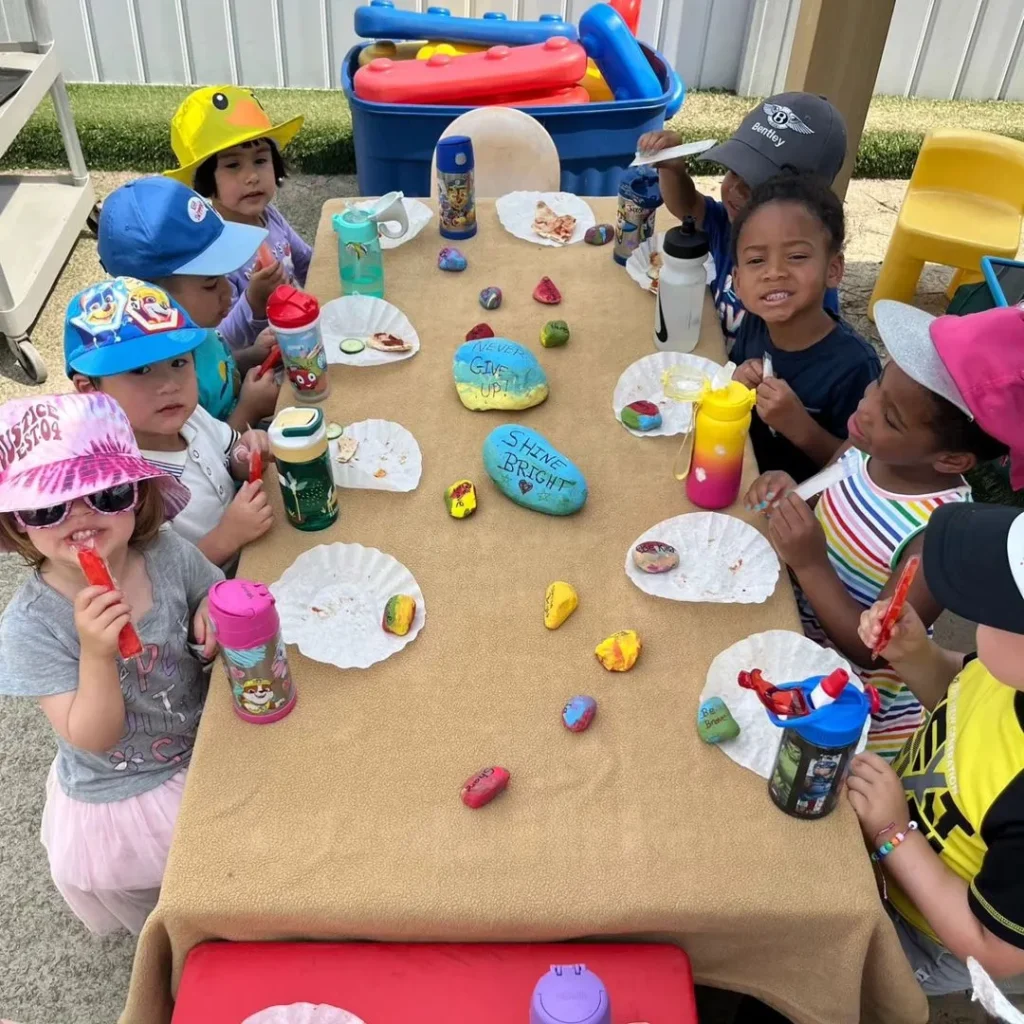
Discover mental health activities for kids that are simple, fun, and effective! From mindfulness exercises for kids and deep breathing exercises for kids to creative emotional expression activities for kids, gratitude journaling for children, and fun mental health activities for kids at home, these practical tips help children manage stress, express emotions, and thrive every day.
Why Mental Health Activities for Kids Are So Important
When it comes to mental health activities for kids, many parents wonder why they matter so much. The truth is, just like we exercise our bodies to stay healthy, children need ways to exercise their minds and emotions. Simple kids mental health activities can make a huge difference in how children handle stress, express themselves, and build confidence.
Did you know that even just five minutes a day of a fun, focused activity can help a child feel calmer, more focused, and happier? That’s why creating a routine with mental health activities for children isn’t just helpful—it’s powerful. These activities are not about therapy; they’re practical steps you can take every day at home or school to support emotional well-being.
One of the best ways to start is with expressive art activities. Drawing, painting, or even crafting helps children show feelings they might not have words for. It’s a safe way to let them explore emotions and release stress. Pair that with gratitude journaling for children, and you’ve got a simple yet effective way to teach kids to notice the good things in their life, which improves their overall mood and resilience.
Mindfulness exercises for kids are another game-changer. Activities like deep breathing exercises for kids, guided body scans, or mindful coloring give children tools to calm themselves when they feel overwhelmed. Even simple things like a short outdoor scavenger hunt or listening to music can count as creative emotional expression activities for kids, helping them relax while boosting their focus and attention.
For children dealing with everyday worries, introducing coping skills activities for children can be life-changing. Try fun ideas like a “worry tree” where kids write down their concerns and then talk through solutions, or a calm-down corner filled with soft toys, sensory objects, and simple games to help manage anxiety. These small steps teach resilience, emotional regulation, and self-awareness.
Finally, remember that mental health activities for kids to thrive aren’t just for solo play—they can be family activities too. Sharing music therapy and rhythm activities for kids, practicing kindness through a kindness jar, or doing cooperative hobbies together strengthens bonds while building emotional skills. By integrating these fun mental health activities for kids at home, you’re giving your children a toolbox to manage emotions, reduce stress, and feel supported every day.
Mental Health Activities for Kids by Age Group
Not all mental health activities for kids are the same. Children at different ages have different emotional needs and attention spans. By choosing kids mental health activities that match their age, you can help them feel more confident, calm, and happy. Here’s a breakdown by age group, with practical ideas you can try today.
Ages 3–5: Preschool Fun for Emotional Growth
Little ones may not always have the words to explain how they feel. That’s where expressive art activities shine. Drawing faces, painting moods, or crafting simple projects lets them show emotions in a safe, playful way.
Try short mindfulness exercises for kids, like taking deep breathing exercises for kids together. Make it fun by pretending to blow up balloons or pretending to be slow, quiet animals. Even a short outdoor game, like a nature scavenger hunt, counts as fun mental health activities for kids at home, helping them focus and notice the world around them.
Gratitude journaling for children can start early too—encourage them to draw one thing they liked about their day. This simple habit helps them notice the good things in life and builds emotional resilience from a young age.
Ages 6–8: Early School Age Emotional Skills
At this stage, kids can reflect a little more on feelings. Creative emotional expression activities for kids work wonderfully here. Storytelling, role-playing, or writing short “feelings stories” encourages them to express thoughts safely.
Introduce coping skills activities for children, like a “worry jar” where they can write down small concerns and talk about them. Pair it with mindfulness exercises for kids, such as gentle guided body scans or mindful coloring. These mental health activities for children improve focus, reduce stress, and teach simple self-regulation techniques.
Family involvement works well too. Try music therapy and rhythm activities for kids together, or do a shared art project. These fun mental health activities for kids at home build bonds while reinforcing emotional skills.
Ages 9–12: Pre-Teen Confidence and Resilience
Older kids are ready for more structured kids mental health activities. Gratitude journaling for children becomes more meaningful—encourage them to write 3 things they are grateful for each day. Coping skills activities for children can include problem-solving games, stress-relief exercises, or creating a “calm-down kit” with books, soft toys, or sensory tools.
Mindfulness exercises for kids, like deep breathing or visualization, can be extended for 10 minutes to help them manage worries or test anxiety. Creative activities like expressive art activities or music therapy and rhythm activities for kids continue to support emotional expression and focus.
Mindfulness Activities That Help Kids Calm Down
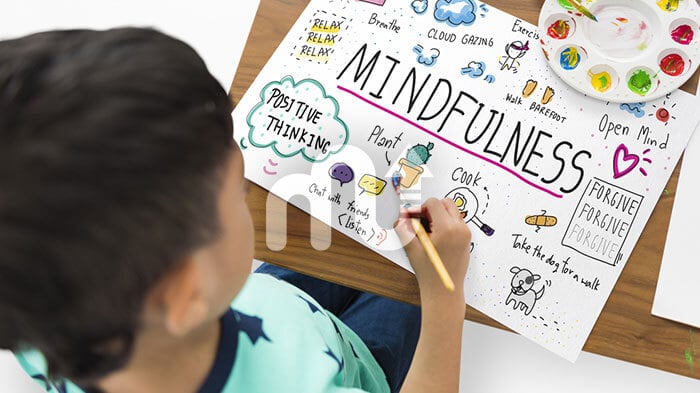
Sometimes kids feel anxious, frustrated, or just plain restless. That’s where mindfulness exercises for kids can work wonders. These mental health activities for children teach them to slow down, focus, and manage big feelings in a safe, playful way. Best of all, you don’t need special tools—just a few minutes, patience, and a willingness to try together.
1. Deep Breathing Exercises for Kids
A simple way to start is with deep breathing exercises for kids. Ask your child to sit comfortably, close their eyes if they want, and take slow, deep breaths. You can make it fun by counting breaths, pretending to blow up balloons, or using a “smell the flower, blow out the candle” game. Doing this 3–5 minutes daily can help them calm down quickly during stressful moments.
2. Body Scan and Gentle Movement
Mindfulness exercises for kids don’t always have to be still. Try a body scan, where children focus on each part of their body—from head to toes—imagining tension melting away. Pair this with gentle movement, like stretching, yoga poses, or slow dancing to music. These creative emotional expression activities for kids improve body awareness and reduce anxiety.
3. Mindful Coloring and Art
Expressive art activities can double as mindfulness practice. Coloring intricate patterns, painting, or drawing feelings helps children focus on the present moment and process emotions safely. Encourage them to notice colors, shapes, and textures—this turns fun mental health activities for kids at home into calming, intentional exercises.
4. Nature and Outdoor Mindfulness
Taking mindfulness outside is another way to practice mental health activities for kids to thrive. Try a short nature scavenger hunt, listening carefully to birds, feeling textures of leaves, or noticing the smells of flowers. This encourages attention, curiosity, and calm—all while making children feel grounded and connected.
5. Music Therapy and Rhythm Activities for Kids
Music has a magical way of soothing emotions. Try music therapy and rhythm activities for kids, like clapping to a slow beat, drumming, or creating simple songs together. These activities combine fun, focus, and emotional expression, making them excellent coping skills activities for children.
Creative & Expressive Activities for Emotional Expression
Helping children express their emotions is one of the most powerful ways to support their well-being. Mental health activities for kids that focus on creativity allow children to explore feelings safely while building confidence and resilience. When kids learn to express themselves, they also learn to understand their emotions, communicate better, and manage stress more effectively.
1. Expressive Art Activities
Art is a fantastic tool for kids mental health activities. Encourage children to draw, paint, or create crafts that reflect their feelings. You can ask them to paint “how my day feels” or make a collage of happy moments. These creative emotional expression activities for kids help them process emotions that are sometimes too big to put into words. Even simple doodles can boost mood and focus.
2. Music Therapy and Rhythm Activities for Kids
Music isn’t just fun—it’s healing. Music therapy and rhythm activities for kids can include drumming to a beat, clapping games, or making up songs about their feelings. Singing, playing instruments, or moving to music are fun mental health activities for kids at home that improve mood, self-expression, and focus.
3. Storytelling and Role-Play
Storytelling gives kids a safe space to explore emotions. Encourage them to create characters or act out scenarios about challenges they face. These mental health activities for children strengthen problem-solving skills and empathy while helping children identify and name emotions. Role-playing is a playful way to practice coping skills activities for children, like managing frustration or sharing with friends.
4. Journaling and Gratitude Exercises
Older children benefit from gratitude journaling for children. Encourage them to write or draw three things they are grateful for each day. Journaling helps children reflect on positive experiences and develop emotional resilience. Combine it with short mindfulness exercises for kids like breathing or visualization to create a calming daily routine.
5. Sensory Play for Emotional Regulation
Creative emotional expression activities for kids aren’t always about paper or music. Sensory play, like using sand, water, playdough, or textured objects, can calm anxious or restless children. These coping skills activities for children allow them to regulate emotions through touch, movement, and exploration. Sensory experiences are simple, fun, and powerful mental health activities for kids to thrive.
Bringing It All Together
The beauty of these mental health activities for kids is that they combine fun with learning. Whether it’s drawing, singing, role-playing, or sensory exploration, each activity helps children express feelings, manage stress, and develop emotional strength. The key is consistency—just 5–15 minutes daily of creative activities can have a lasting impact on their well-being.
Coping Skills Activities for Stress & Anxiety
Even the happiest kids can feel stress, worry, or anxiety. That’s why mental health activities for kids that focus on coping skills are so important. These kids mental health activities give children tools to handle big feelings, stay calm, and feel confident in everyday situations. The best part? Many of these activities are fun mental health activities for kids at home that don’t need fancy equipment or long hours.
1. The Worry Tree Activity
The worry tree is a simple but powerful coping skills activity for children. Draw a tree on paper and label it “Worries” on the branches. Ask your child to write down things that worry them on leaves and then talk through solutions together. This helps children express emotions safely and learn that worries can be managed, not ignored.
2. Calm-Down Corner
A calm-down corner is a small, safe space filled with comforting objects like soft toys, books, sensory items, or stress balls. Encourage your child to go there when they feel upset. This mental health activity for children teaches self-regulation and offers a quiet place to reset emotions. Pair it with mindfulness exercises for kids like deep breathing or gentle stretching for best results.
3. Sensory Play for Anxiety Relief
Sensory play is not just fun—it’s therapeutic. Activities like squishing playdough, feeling textures, or pouring water help children stay in the present moment. These creative emotional expression activities for kids support emotional regulation, reduce stress, and make anxiety easier to manage. Simple daily sensory exercises are some of the most effective mental health activities for kids to thrive.
4. Gratitude and Positive Reflection
Encourage children to write down things they are thankful for in a gratitude journal. This gratitude journaling for children activity shifts focus from worries to positive experiences. Even a quick discussion at the dinner table about one good thing that happened can act as a coping skill and strengthen emotional resilience.
5. Breathing and Visualization Exercises
Simple deep breathing exercises for kids combined with visualization can quickly calm stress. Try asking your child to imagine blowing away worries like clouds in the sky or floating on a calm lake. These mindfulness exercises for kids can be repeated anytime anxiety arises, turning small moments into powerful kids mental health activities.
6. Family Support Activities
Coping isn’t just about solo exercises. Engaging in music therapy and rhythm activities for kids, cooperative games, or shared hobbies helps children practice emotional regulation while feeling supported. These fun mental health activities for kids at home strengthen bonds and build long-lasting emotional skills.
Social & Family-Based Mental Health Activities
Supporting children’s emotional well-being doesn’t stop at solo exercises. Mental health activities for kids become even more powerful when done with family, friends, or classmates. These kids mental health activities help children build social skills, empathy, and a sense of connection, all while having fun.
1. Family Gratitude Time
A simple yet effective activity is gratitude journaling for children together as a family. Each family member shares one thing they are thankful for daily or weekly. This mental health activity for children teaches kids to recognize positive experiences, feel supported, and practice emotional awareness in a social setting.
2. Cooperative Games
Games that require teamwork, such as building a LEGO project together or completing a simple scavenger hunt, are excellent fun mental health activities for kids at home. These creative emotional expression activities for kids encourage communication, patience, and problem-solving, while also providing a safe space to express emotions.
3. Music and Rhythm Activities as a Family
Try music therapy and rhythm activities for kids together. Clapping to a beat, singing songs, or creating simple rhythms strengthens connection and boosts mood. Music becomes a shared mental health activity for kids to thrive, combining emotional expression with social interaction.
4. Role-Playing and Storytelling with Others
Role-playing or storytelling with siblings, friends, or classmates allows children to practice empathy, explore emotions, and learn conflict resolution. These kids mental health activities provide both fun and meaningful lessons in emotional intelligence.
5. Kindness Jar or Family Challenges
Encourage children to participate in a kindness jar or small family challenges, like doing one nice thing for someone each day. These coping skills activities for children build social awareness, responsibility, and emotional regulation while reinforcing a sense of accomplishment and connection.
6. Classroom-Friendly Mental Health Activities
For parents and teachers, some mental health activities for children can easily be adapted for school. Short mindfulness exercises, cooperative art projects, or sharing gratitude circles help children interact positively in a group while practicing self-regulation and emotional expression.
How Often Kids Should Do Mental Health Activities & Safety Tips
Knowing how often kids should do mental health activities is just as important as choosing the right activities. Consistency helps children develop emotional skills, build confidence, and manage stress effectively. These mental health activities for kids don’t need to take long—small, regular practices are more effective than occasional long sessions.
1. How Often to Practice
- Daily Mini-Sessions (5–15 minutes): Short bursts of fun mental health activities for kids at home like mindfulness exercises for kids, expressive art activities, or deep breathing exercises for kids can help regulate emotions and improve focus.
- Weekly Longer Activities: Once or twice a week, plan slightly longer sessions for creative emotional expression activities for kids or music therapy and rhythm activities for kids. Examples include family storytelling nights, cooperative art projects, or outdoor mindfulness scavenger hunts.
- Adjust to the Child’s Needs: Some kids may need extra coping skills activities for children during stressful periods, while others benefit from maintaining a lighter routine.
2. Safety Tips for Mental Health Activities
Even simple activities should be safe and supportive. Keep these tips in mind:
- Supervise Younger Children: Activities like sensory play, deep breathing exercises for kids, or playdough and craft projects should be supervised to ensure safe materials and proper guidance.
- Avoid Pressure: Encourage participation, but don’t force children to join. The goal is confidence and comfort, not perfection.
- Create a Positive Environment: Choose calm, comfortable spaces for mental health activities for children, free from distractions or negative pressure.
- Monitor Emotional Response: Pay attention to how your child reacts. If they feel overwhelmed, pause the activity and provide support.
- Seek Professional Help When Needed: While these mental health activities for kids to thrive are helpful, they are not a replacement for professional guidance if a child is experiencing significant anxiety, depression, or behavioral challenges.
3. Making It a Routine
- Morning Check-ins: Start the day with a short gratitude or mindfulness exercise.
- Afternoon or After-School Reset: Use fun mental health activities for kids at home to unwind from school.
- Bedtime Reflection: A quick journaling session or storytelling activity helps children process the day and sleep peacefully.