Discover everything about Black Maternal Health Week 2025. Learn how to support Black maternal health, address maternal health disparities, access postpartum support and telehealth resources, and take action to amplify voices and promote maternal health equity for Black women and birthing people in the U.S.
Introduction to Black Maternal Health Week 2025
Every year in the U.S., Black Maternal Health Week 2025 shines a light on a critical issue that affects countless lives: the health and well-being of Black moms and birthing people. Scheduled for April 11–17, 2025, this week is more than just a date on the calendar—it’s a movement, a call to action, and a celebration of resilience, strength, and advocacy.
Black Maternal Health Week (BMHW 2025) was created by the Black Mamas Matter Alliance to raise awareness about the severe disparities in maternal health that Black women face. Did you know that in the United States, Black women are more than two to three times more likely to die from pregnancy-related causes than White women? These numbers are not just statistics—they represent real families, real struggles, and a real need for change.
This week brings together communities, organizations, and policymakers to amplify voices, promote maternal health equity, and push for solutions that save lives. It’s a time to get involved, whether through attending events, participating in webinars, or sharing stories online with hashtags like #BMHW25. From local community programs to national advocacy campaigns, Black Maternal Health Week 2025 encourages everyone to contribute to a healthier future for Black moms and birthing people.
The focus of BMHW 2025 isn’t just awareness—it’s also about action and solutions. By highlighting reproductive justice, postpartum support, and access to mental health and telehealth resources, this week empowers individuals and communities to tackle maternal health disparities head-on. Whether it’s through volunteering, donating, or simply spreading the word, every small step counts toward improving maternal health outcomes.
In this article, we’ll guide you through everything you need to know about Black Maternal Health Week 2025: the history, the events, how to participate and support Black maternal health, and the U.S.-based initiatives that are making a real difference. By understanding the issues and learning how to act, you can play a role in transforming maternal health for Black women and birthing people across the country.
Remember, this isn’t just about a week—it’s about a movement that seeks justice, equality, and healthier futures for everyone involved. Black Maternal Health Week 2025 is your chance to learn, engage, and make a meaningful impact.
History & Purpose of Black Maternal Health Week 2025
Black Maternal Health Week 2025 didn’t appear out of nowhere—it has a powerful history rooted in advocacy, community, and the fight for maternal health equity in the United States. The week was founded by the Black Mamas Matter Alliance, a U.S.-based organization dedicated to improving health outcomes for Black women and birthing people. Their goal was simple but ambitious: to amplify voices that are too often overlooked and ensure that every Black mom has access to the care and support she deserves.
The first Black Maternal Health Week started as a small initiative, but over the years it has grown into a national movement celebrated across the country. Every year, from April 11 to April 17, communities, hospitals, advocacy groups, and policymakers come together to spotlight the disparities in Black maternal health and share actionable solutions. The week emphasizes not just awareness, but action, focusing on areas like reproductive justice, postpartum support, and access to mental health and telehealth resources.
Why does this week matter so much? In the U.S., Black women are disproportionately affected by pregnancy-related complications, and the statistics are stark. By dedicating a week specifically to Black maternal health, BMHW creates a platform to educate the public, influence policy, and encourage communities to participate in initiatives that directly improve outcomes for Black moms and birthing people.
The purpose goes beyond numbers—it’s about empowerment and advocacy. BMHW 2025 reminds everyone that Black maternal health is a human rights issue, and that through education, community involvement, and systemic change, we can reduce disparities and save lives. During this week, people are encouraged to attend webinars, join local programs, share stories on social media using #BMHW25, and support organizations that focus on Black maternal health.
In short, Black Maternal Health Week 2025 is a week to learn, reflect, and act. It connects history with present-day efforts to improve care, elevate voices, and create lasting change for Black women and birthing people in the U.S. By understanding its history and purpose, you can see how your involvement—whether small or big—can make a difference in this ongoing movement.
Why Black Maternal Health Matters
When we talk about Black maternal health, we’re talking about more than numbers—we’re talking about lives, families, and communities. In the United States, Black women face maternal health disparities that are among the most severe in the world. Simply put, Black moms and birthing people are two to three times more likely to die from pregnancy-related complications compared to White women. These disparities aren’t caused by biology—they’re the result of systemic inequities, lack of access to quality care, and long-standing social determinants of health.
Black Maternal Health Week 2025 exists to shine a spotlight on these urgent issues. By raising awareness, the week encourages policymakers, healthcare providers, and communities to take action to improve maternal health outcomes. The focus is on maternal health equity, ensuring that every Black woman and birthing person receives the care, respect, and support they deserve.
Beyond physical health, mental health is a critical component. Postpartum depression, anxiety, and other mental health challenges disproportionately affect Black moms, and access to telehealth resources and community-based support can make a life-changing difference. Postpartum support programs, culturally competent care, and community advocacy are all part of the solution—and BMHW 2025 highlights these vital resources.
The week also emphasizes reproductive justice, which means giving Black moms the power to make informed decisions about their bodies and care. It’s about amplifying voices that have historically been ignored, celebrating resilience, and providing tools to address inequities. Every webinar attended, every story shared, and every local event you participate in contributes to strengthening Black maternal health.
Ultimately, Black maternal health matters because these are real lives at stake. It’s not just about statistics or reports—it’s about ensuring that Black women and birthing people in the U.S. can experience safe pregnancies, supported births, and healthy postpartum journeys. Black Maternal Health Week 2025 reminds us that awareness paired with action, advocacy, and community engagement is the pathway to lasting change.
By understanding why Black maternal health is crucial, we can all play a role in creating a future where every Black mom has equitable access to care, support, and dignity.
Events & Activities During Black Maternal Health Week 2025
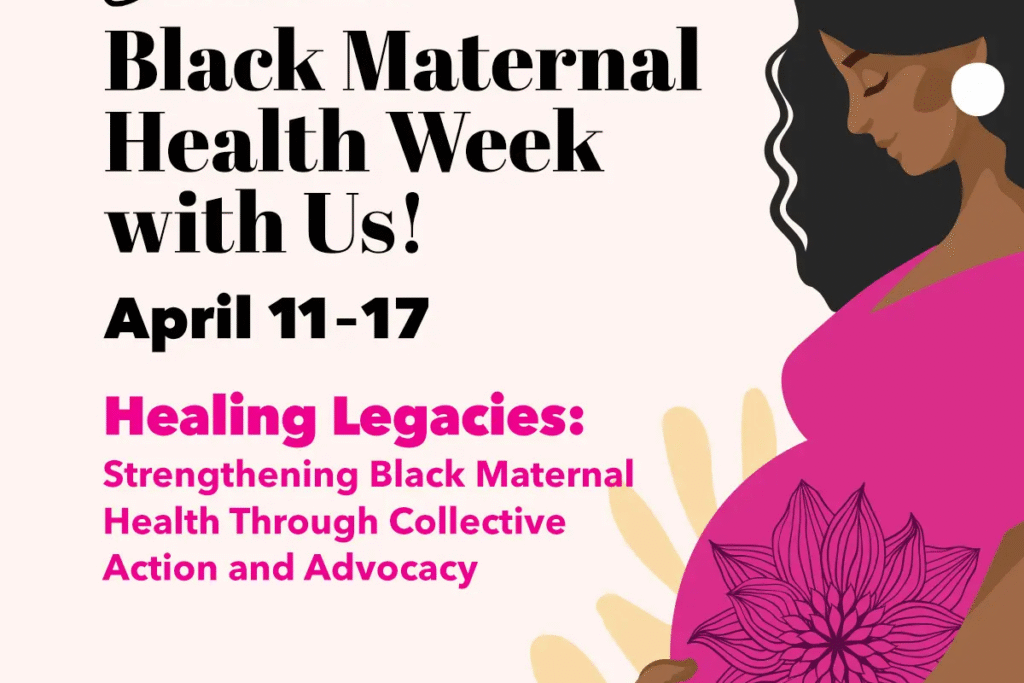
Black Maternal Health Week 2025 isn’t just a week of reflection—it’s a week of action, learning, and community engagement. From April 11–17, organizations, communities, and healthcare providers across the U.S. host a variety of events to raise awareness and provide support for Black maternal health. Whether you’re looking to participate in Black Maternal Health Week 2025 virtually or in person, there’s something for everyone.
Across the nation, webinars, workshops, and panel discussions are organized to educate the public about maternal health disparities and explore solutions. Experts, advocates, and healthcare professionals share insights on topics like reproductive justice, mental health, and postpartum support. These sessions are a great opportunity to learn, ask questions, and amplify voices that are often unheard.
Communities also host local events such as walks, health fairs, and support group gatherings. Cities like New York, Atlanta, and Tampa Bay have created spaces for Black moms and birthing people to connect, share experiences, and access vital resources. These activities not only celebrate resilience but also strengthen Black maternal health through collective engagement.
Social media plays a big role too. Using hashtags like #BMHW25, participants can share stories, photos, and experiences, helping to spread awareness far beyond local events. Even small actions—like posting supportive messages or sharing educational resources—count as meaningful participation in Black Maternal Health Week 2025.
For healthcare providers and advocates, BMHW 2025 is also a chance to highlight policy efforts, introduce new programs, and showcase telehealth and community-based resources that improve maternal care. From free prenatal checkups to postpartum counseling services, the week emphasizes practical ways to support Black maternal health every day of the year.
Ultimately, the events and activities during BMHW 2025 are about more than just showing up—they’re about engaging, learning, and taking action. Every webinar attended, every local event joined, and every social media post shared contributes to reducing maternal health disparities and creating a healthier future for Black women and birthing people across the U.S.
Advocacy & Policy Efforts
Black Maternal Health Week 2025 isn’t just about raising awareness—it’s also about driving real change through advocacy and policy. In the U.S., systemic issues and healthcare inequities have contributed to higher maternal health disparities among Black women and birthing people. That’s why advocacy is a cornerstone of BMHW 2025, empowering communities to amplify voices and push for meaningful reforms.
Several U.S.-based organizations lead the charge in advocating for Black maternal health equity. Groups like the Black Mamas Matter Alliance, the Black Maternal Health Caucus, and other local coalitions work tirelessly to promote reproductive justice and equitable access to care. They focus on issues like improving maternal mortality rates, increasing funding for mental health and postpartum support, and expanding telehealth resources to underserved communities.
Policy initiatives play a major role in improving outcomes. For example, advocacy efforts aim to ensure that Medicaid covers comprehensive prenatal and postpartum care, fund programs that reduce disparities in hospital care, and support community health initiatives specifically designed for Black moms and birthing people. By participating in these efforts, individuals can contribute to strengthening Black maternal health at a systemic level.
How can you take action? It’s simpler than you might think. You can attend advocacy webinars, write to your local representatives, or support campaigns that focus on maternal health equity. Even sharing resources and raising awareness on social media with hashtags like #BMHW25 helps amplify these important messages. Small steps collectively make a big difference.
During BMHW 2025, advocacy also means educating your community. By spreading knowledge about disparities, highlighting postpartum support, and sharing available telehealth services, you can help others understand why Black maternal health matters and how they can contribute to change.
In short, Black Maternal Health Week 2025 is a powerful opportunity to move from awareness to action. Whether it’s supporting policy, volunteering, or simply sharing information, every effort helps reduce inequities and ensures that Black women and birthing people in the U.S. have access to the care, respect, and support they deserve.
Mental Health & Postpartum Support
When we talk about Black maternal health, physical care is only part of the picture. Mental health and postpartum support are just as crucial for Black women and birthing people in the U.S. Unfortunately, many mothers face challenges like postpartum depression, anxiety, and stress, often without access to proper care. Black moms are particularly affected due to systemic inequities and limited resources, which makes awareness and support during Black Maternal Health Week 2025 even more vital.
Postpartum support programs provide guidance, counseling, and community connections to help mothers navigate this critical stage. From peer support groups to professional therapy sessions, these resources can prevent isolation and improve overall well-being. Thanks to telehealth services, mothers in rural or underserved areas can now access mental health care without leaving home, making it easier to get the help they need.
Black Maternal Health Week 2025 shines a spotlight on these services, encouraging communities to amplify voices and ensure that mental health support is a part of every maternal care plan. Awareness campaigns during the week highlight programs that focus on perinatal mental health, self-care, and early intervention. They also educate families and caregivers on how to support Black moms and birthing people during and after pregnancy.
Participating in BMHW 2025 can mean attending webinars, joining online support groups, or even sharing stories to help reduce stigma around mental health. Every small action helps strengthen Black maternal health by showing mothers that they are not alone and that help is available.
By emphasizing mental health and postpartum support, we ensure a holistic approach to maternal care. It’s not just about surviving pregnancy—it’s about thriving in every stage of motherhood. Black Maternal Health Week 2025 gives us the chance to educate, empower, and advocate for resources that truly make a difference in the lives of Black women and birthing people across the U.S.
Community & Local Programs
One of the most powerful ways to support Black maternal health is through community and local programs. Across the U.S., grassroots initiatives, hospitals, and nonprofits are creating spaces where Black women and birthing people can access resources, education, and support during pregnancy and postpartum. These programs are essential in addressing maternal health disparities that persist in many communities.
Local programs often focus on practical services like prenatal checkups, postpartum counseling, nutrition support, and parenting workshops. Many also provide mental health and telehealth resources, giving mothers in underserved areas the chance to receive care without traveling long distances. For example, community clinics in cities like Atlanta, New York, and Chicago offer programs specifically designed to improve maternal health equity for Black mothers.
Beyond medical support, these programs create community networks where mothers can share experiences, ask questions, and connect with others who understand their challenges. This sense of belonging is especially important for Black moms, who may face social isolation or systemic barriers to care. By participating in or supporting these local programs, individuals can help strengthen Black maternal health and make a tangible difference in someone’s life.
During Black Maternal Health Week 2025, many organizations host events like health fairs, workshops, and volunteer opportunities to engage the community. These events encourage people to amplify voices, educate others about disparities, and contribute to solutions. Even small actions—such as donating to local maternal health programs, attending a virtual webinar, or sharing resources on social media with #BMHW25—can have a big impact.
Community-driven programs are also a bridge to policy advocacy. By highlighting successful local initiatives, they demonstrate what works and help inform national strategies to reduce maternal health disparities. Every story, every resource, and every connection made through these programs helps create a safer, healthier, and more equitable environment for Black women and birthing people in the U.S.
In short, community and local programs are where awareness meets action. They show that Black Maternal Health Week 2025 isn’t just about learning—it’s about doing, supporting, and building stronger communities for all Black mothers.
How to Get Involved & Take Action
Black Maternal Health Week 2025 isn’t just a week to learn—it’s a week to take action. Every one of us can play a role in improving Black maternal health and strengthening maternal health equity for Black women and birthing people across the U.S. Whether you’re a healthcare professional, community member, or advocate, there are many ways to participate in Black Maternal Health Week 2025 and make a meaningful difference.
One of the simplest ways to get involved is by attending events. From webinars and workshops to local community programs, these activities are designed to educate, connect, and empower. They provide insights into maternal health disparities, postpartum support, and reproductive justice, while also giving you practical steps to help others.
You can also volunteer or donate. Many U.S.-based organizations like the Black Mamas Matter Alliance rely on community support to run programs that improve mental health resources, provide telehealth services, and deliver postpartum care to those who need it most. Your time, expertise, or financial support can directly impact Black moms and birthing people.
Social media is another powerful tool. By sharing stories, resources, or personal experiences using hashtags like #BMHW25, you can amplify voices and bring attention to the urgent need for maternal health equity. Even small actions, like sharing an informative post or encouraging friends and family to get involved, help spread awareness nationwide.
Advocacy is also key. You can write to policymakers, attend virtual advocacy sessions, or participate in campaigns that push for systemic changes to reduce maternal health disparities. By lending your voice, you contribute to long-term improvements in maternal care, access, and outcomes for Black women and birthing people.
Finally, education matters. Take time to learn about community programs, telehealth resources, and mental health initiatives available in your area. Sharing what you learn not only empowers yourself but also your community, helping others understand why Black maternal health is a priority.
In short, Black Maternal Health Week 2025 is your chance to learn, engage, and act. Every step, whether big or small, helps create a world where Black women and birthing people receive the care, support, and respect they deserve. By participating, you become part of a movement that is truly transforming maternal health in the U.S.
FAQs About Black Maternal Health Week 2025
1. What is Black Maternal Health Week 2025?
Black Maternal Health Week 2025 (BMHW 2025) is an annual awareness week in the U.S., held from April 11–17, dedicated to highlighting the urgent issues surrounding Black maternal health. It focuses on addressing maternal health disparities, promoting maternal health equity, and supporting Black women and birthing people through education, advocacy, and community programs.
2. Why is Black Maternal Health important?
Black moms face significantly higher risks of complications and mortality compared to other populations in the U.S. BMHW 2025 draws attention to these disparities, emphasizing reproductive justice, access to care, mental health resources, and postpartum support to improve outcomes for Black women and birthing people.
3. How can I participate in Black Maternal Health Week 2025?
There are many ways to participate in Black Maternal Health Week 2025:
- Attend webinars, workshops, and local community events.
- Volunteer or donate to organizations supporting Black maternal health.
- Share information on social media using #BMHW25 to amplify voices.
- Advocate for policy changes that reduce maternal health disparities.
4. What types of events happen during BMHW 2025?
Events include educational webinars, health fairs, panel discussions, volunteer opportunities, and virtual campaigns. Many programs focus on telehealth resources, postpartum care, mental health, and community engagement.
5. Are there resources for postpartum support and mental health?
Yes! Many U.S.-based programs offer postpartum support, counseling, and telehealth mental health services for Black moms and birthing people. BMHW 2025 highlights these initiatives and provides information on how to access them.
6. How can I amplify voices and raise awareness?
Sharing stories, posting educational content, and participating in events are all ways to amplify voices. Using hashtags like #BMHW25 on social media helps spread awareness nationwide and connects communities working toward maternal health equity.
7. Who can get involved?
Everyone! Healthcare professionals, community members, advocates, families, and policymakers can all play a role. Black Maternal Health Week 2025 is about education, action, and community support—everyone has a part to play.
Conclusion & Call to Action
Black Maternal Health Week 2025 isn’t just a week on the calendar—it’s a movement. It’s a time to learn, engage, and act to improve Black maternal health and address the persistent maternal health disparities affecting Black women and birthing people in the U.S. From raising awareness about reproductive justice to promoting postpartum support and mental health resources, BMHW 2025 reminds us that every action counts.
You can make a difference in many ways. Attend local events or webinars, volunteer for community programs, or donate to organizations dedicated to strengthening Black maternal health. Use your voice online to amplify voices with hashtags like #BMHW25, and encourage friends, family, and colleagues to get involved. Every post shared, every story told, and every conversation started helps bring attention to this critical cause.
Policy advocacy is another way to create lasting change. By supporting initiatives that expand access to telehealth services, improve maternal health equity, and reduce maternal health disparities, you help ensure that Black women and birthing people receive the care, respect, and support they deserve.
Remember, Black Maternal Health Week 2025 is more than awareness—it’s about action. Your participation, whether big or small, contributes to a healthier, more equitable future for Black mothers across the U.S. Together, we can create a world where every Black mom and birthing person thrives, not just survives.
So this April, take a step. Attend an event, share a story, volunteer, or simply educate yourself and others. By doing so, you are joining a movement dedicated to Black maternal health, equity, and justice—and that is a difference worth making.