
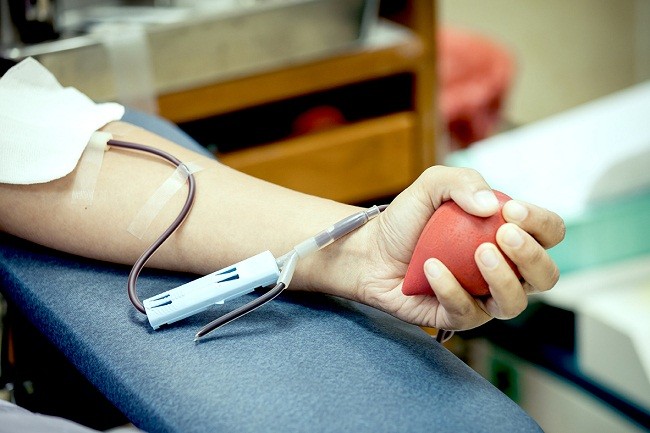
Wondering can diabetics donate blood? Learn the complete blood donation rules, safety tips, and eligibility guidelines for diabetics. Discover how to donate blood safely with diabetes and make a life-saving impact today!
Can Diabetics Donate Blood? Let’s Clear the Confusion!
If you’ve ever wondered, “Can diabetics donate blood?”, you’re not alone. Many people living with diabetes have the same question — and the good news is, yes, most diabetics can donate blood, as long as their condition is well-controlled. The rules are actually simpler than you might think.
Before diving in, let’s clear up one big myth — having diabetes doesn’t automatically disqualify you from donating. What really matters is how well your blood sugar levels are managed, the type of treatment you’re using, and overall health at the time of donation.
Here’s the deal:
If your blood glucose levels are stable and you feel healthy, you’re likely eligible to donate blood safely. However, people who take insulin injections may need to check specific blood donation guidelines in their country, as some centers have stricter rules about insulin use.
For instance, in the United States, organizations like the American Red Cross allow people with type 2 diabetes to donate blood if their condition is controlled by diet, exercise, or oral medication. But if you’ve recently changed your diabetes medication, you might be asked to wait a short while before donating. The goal is to make sure both you and the recipient stay safe.
Here’s something else many people don’t realize — donating blood doesn’t usually affect your blood sugar control. Just make sure to eat a balanced meal, drink plenty of water, and get enough rest before your donation appointment. Simple, right?
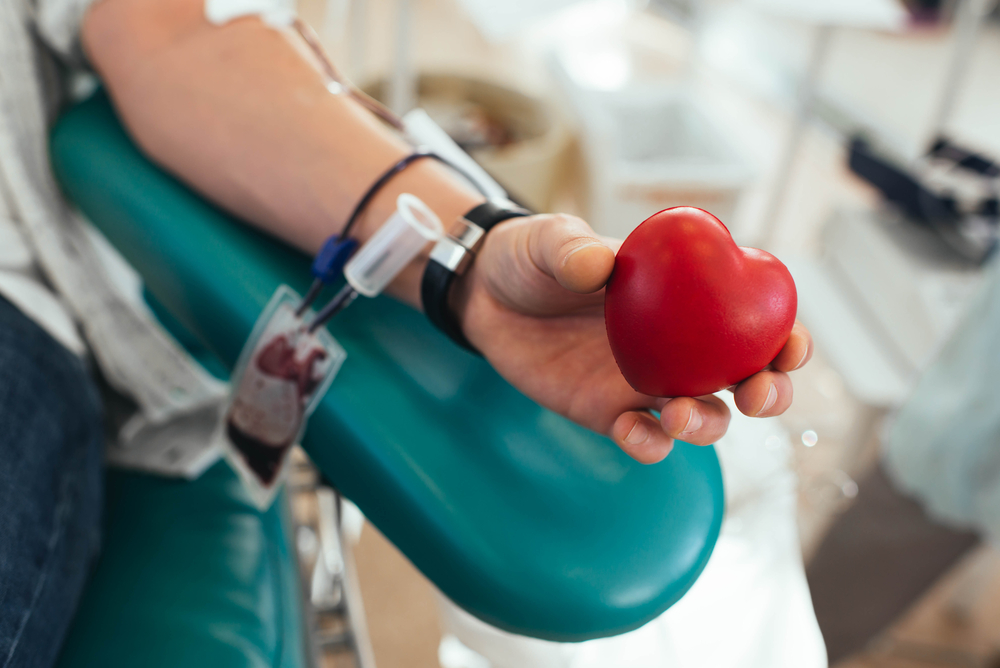
So yes, people with diabetes can donate blood, but always check with your doctor or the blood donation center first. It’s a small act of kindness that can make a big difference in someone’s life — and it might even make you feel good knowing your blood could help save a life!
Who Can and Cannot Donate Blood with Diabetes?
Now that you know can diabetics donate blood, the next big question is: who exactly can give blood, and who should wait? Let’s break it down so it’s super easy to understand.
1. Type 1 Diabetes
People with type 1 diabetes can donate blood, but there are a few important things to know. Since type 1 usually requires insulin injections, you’ll need to check the blood donation rules in your area. Some U.S. blood centers may ask for your doctor’s approval or require that your condition is stable before you donate. The goal is to make sure you stay safe and your blood sugar levels don’t drop too low.
2. Type 2 Diabetes
If you have type 2 diabetes, you’re in luck! Most people with type 2 can donate blood safely as long as their diabetes is well-controlled through diet, exercise, or oral medications. Even if you take pills like metformin or other oral diabetes medications, you’re usually eligible. The key is stability — if your blood sugar levels are regularly within the target range, you can make a big difference by donating.
3. Gestational Diabetes
For women who had gestational diabetes during pregnancy, donating blood is possible once your blood sugar has returned to normal after delivery. Always check with your doctor first to be sure you’re healthy enough for donation.
4. Situations That May Delay Donation
Even if you’re diabetic, there are times when you should wait:
- If your blood sugar is high or unstable
- If you recently changed your diabetes medication
- If you have complications like kidney problems, nerve issues, or diabetic foot ulcers
- If you are feeling unwell or recovering from illness
Remember, these rules are in place to protect both you and the recipient. Donating blood when your diabetes isn’t under control can put your health at risk and affect the quality of your donation.
5. Quick Tips to Know Before Donating
- Check your blood sugar levels before your appointment
- Bring a snack and water for after your donation
- Tell the blood center staff about your diabetes, medications, and any recent health changes
So, in short: most diabetics can donate blood safely, but it depends on your type of diabetes, medication, and overall health. Always check the blood donation eligibility rules at your local American Red Cross or other U.S. blood centers, and consult your doctor if you’re unsure.
Medication, Insulin, and What Blood Centers Need to Know
When it comes to blood donation for diabetics, one of the biggest questions is about medications. If you’re thinking, “Can I donate blood if I take insulin or other diabetes medicine?”, you’re in the right place. Let’s make it easy to understand.
1. Insulin Users
If you have type 1 diabetes or take insulin for type 2 diabetes, you might need extra steps. Some U.S. blood centers, including the American Red Cross, require that your condition is stable and may ask for doctor approval. The main goal is to make sure your blood sugar levels don’t drop during or after donation.
2. Oral Diabetes Medications
Most people taking oral medications, like metformin, glipizide, or other pills, can donate blood safely. Blood centers mainly check that your diabetes is under control and that you feel healthy on the day of donation.
3. New or Changed Medications
If you recently started a new medication or changed your insulin dose, it’s a good idea to wait a short period before donating. This gives your body time to adjust and keeps your donation safe for both you and the person receiving your blood.
4. What You Need to Tell the Blood Center
Before donating, always be honest about:
- Your diabetes type (type 1, type 2, or gestational)
- Medications you’re taking (insulin, pills, or other treatments)
- Recent changes in dosage
- Any health issues or complications
Sharing this information helps staff guide you safely through the process and ensures your donation is used properly.
5. Quick Tips for Medication and Donation Day
- Take your medications as usual unless your doctor advises otherwise
- Check your blood sugar before your appointment
- Bring a snack and water to prevent low sugar after donation
- Let staff know if you feel dizzy or unwell during or after donating
In short, most diabetics can donate blood safely even if they take medication, but it’s always smart to check with your doctor and follow the blood donation rules. Doing this small act of kindness can save lives while keeping you safe and healthy.
Complications That May Affect Eligibility
Even though most diabetics can donate blood safely, some health conditions can make it risky. It’s important to know which complications could prevent you from donating. Don’t worry — knowing this helps you stay safe and protect the people who receive your blood.
1. Nerve and Kidney Problems
If you have diabetic neuropathy (nerve damage) or kidney issues, blood donation may be discouraged. These complications can make your body more sensitive to changes in blood volume, which might cause dizziness, fatigue, or low blood sugar during or after donation.
2. Eye and Heart Complications
People with diabetic retinopathy (eye damage) or heart problems should check with their doctor first. Blood donation could temporarily stress the body, and you want to make sure your health stays strong.
3. Recent Hospitalizations or Infections
If you’ve recently been sick, hospitalized, or had an infection, it’s best to wait before donating. Your immune system needs time to recover, and donation could put extra strain on your body.
4. Diabetic Foot Ulcers or Open Wounds
Any open sores, cuts, or diabetic foot ulcers mean you should not donate. Blood donation requires your body to be in good condition, and open wounds increase the risk of infection for both you and the recipient.
5. High or Uncontrolled Blood Sugar
If your blood sugar levels are too high or unstable, wait until they are under control. Donating blood when sugar is uncontrolled can cause hypoglycemia, dizziness, or fatigue, which makes the process unsafe.
6. Quick Safety Tips
- Always check your blood sugar before donating.
- Inform the blood center staff about any health issues.
- Wait until complications are stabilized before donating.
Remember, these rules aren’t meant to discourage you. They exist to protect your health and ensure your blood is safe for recipients. Most diabetics without serious complications can donate blood safely, and following these guidelines helps you make a real difference.
Blood Donation Safety for People with Diabetes
Many diabetics wonder, “Is it safe for me to donate blood?” The answer is yes — as long as your blood sugar levels are stable and you follow a few safety tips. Let’s break it down in a simple, friendly way.
1. What Happens to Your Body During Donation
When you donate blood, your body temporarily loses about 1 pint (roughly 470 ml) of blood. For most healthy diabetics, this is completely safe. Your body naturally replaces the lost blood in a few days. Just remember, your blood sugar may drop slightly, so it’s important to be prepared.
2. Managing Blood Sugar During Donation
Here’s the trick:
- Check your blood sugar before your appointment. Aim for a level that is within your normal range.
- Eat a balanced meal before donating. Include protein and complex carbs to keep your sugar steady.
- Stay hydrated. Drink water before and after donation. This helps your body handle the temporary loss of fluids.
3. Possible Temporary Effects
Some diabetics may feel:
- Slight dizziness or lightheadedness
- Fatigue for a few hours
- Temporary low blood sugar
Don’t worry — these usually pass quickly if you eat, drink, and rest. Always let the blood center staff know how you feel.
4. When to Avoid Donation
- If your blood sugar is too high or unstable
- If you are feeling sick or unwell
- If you recently changed your diabetes medication
Waiting until your health is stable ensures both your safety and the safety of the person receiving your blood.
5. Quick Safety Checklist
- Check your blood sugar before donating.
- Eat a healthy meal and drink water.
- Inform staff about your diabetes type and medications.
- Bring a snack for after donation.
- Rest and monitor your blood sugar after donating.
In short, donating blood with diabetes can be safe and rewarding. By following these simple precautions, you help save lives while keeping yourself healthy.
How to Prepare Before Donating Blood with Diabetes
Getting ready to donate blood with diabetes doesn’t have to be stressful. With a few simple steps, you can make sure the process is safe, smooth, and even enjoyable. Think of it as prepping for a mini mission to save lives — and yes, you’re the hero here!
1. Check Your Blood Sugar
Before your appointment, measure your blood sugar levels. Ideally, they should be within your normal target range. If your sugar is too low or high, wait until it’s stable. This ensures you donate blood safely and feel good afterward.
2. Eat a Balanced Meal
Fuel your body with a nutritious meal. Include:
- Protein (eggs, nuts, yogurt)
- Complex carbs (whole grains, fruits, vegetables)
- A little healthy fat (avocado, nuts)
Avoid skipping meals — it keeps your blood sugar steady and prevents dizziness during donation.
3. Hydrate Well
Drink plenty of water before donating. Staying hydrated helps maintain healthy blood pressure and prevents lightheadedness. A glass or two of water 30 minutes before your appointment works wonders.
4. Bring Your Diabetes Supplies
Make sure to bring:
- Your glucose meter and test strips
- Any insulin or medications you might need afterward
- A snack for post-donation energy
Being prepared makes the whole process easier and safer.
5. Dress Comfortably and Relax
Wear comfortable clothing with sleeves that can easily roll up. Take deep breaths and remember: donating blood is a short, safe, and meaningful process.
6. Communicate With Staff
Tell the blood center staff about your diabetes type, medications, and any recent changes in your health. They can give guidance and make adjustments if needed.
7. After Donation Care
- Rest for a few minutes at the center
- Eat your snack and drink water
- Check your blood sugar after donation
- Avoid heavy exercise immediately after donating
By following these steps, you can confidently donate blood safely while keeping your blood sugar levels stable and your body happy.
What Happens During and After Donation
Now that you know how to prepare, it’s helpful to understand what actually happens when you donate blood. Knowing the steps can ease any nerves and help you donate blood safely.
1. Arrival and Check-In
When you arrive at the blood center, you’ll:
- Fill out a health questionnaire
- Share information about your diabetes type, medications, and recent health changes
- Have your blood pressure, pulse, and hemoglobin checked
This helps ensure your blood donation eligibility and keeps both you and recipients safe.
2. Screening and Blood Test
A quick finger-prick test may be done to check your hemoglobin or hematocrit. For diabetics, this is routine, and staff will also confirm that your blood sugar levels are within a safe range.
3. The Donation Process
- The actual blood donation usually takes 8–10 minutes for a whole pint of blood.
- You’ll be seated comfortably while a trained professional inserts a needle into your arm.
- Relax, breathe, and maybe chat — it’s that simple!
4. After Donation: Recovery
- You’ll rest for 5–10 minutes at the center.
- Enjoy a snack and water provided by the staff.
- Check your blood sugar levels if needed, especially if you’re on insulin or oral medications.
5. What to Expect Later
- Feeling a little tired or lightheaded is normal.
- Hydrate and eat a healthy meal afterward to help your body recover.
- Most people resume normal activities within a few hours, but avoid strenuous exercise right away.
6. Quick Tips for Safe Recovery
- Drink plenty of water throughout the day.
- Keep a light snack handy for low blood sugar.
- Watch for dizziness or unusual fatigue — call your doctor if concerned.
By following these steps, donating blood becomes a safe, rewarding experience for diabetics. Remember, each pint you give could save a life, making all this preparation worth it!
Plasma, Platelets, and Other Donation Types
When people think about donating blood, they usually picture whole blood donation. But did you know there are other ways people with diabetes can donate blood safely? Let’s break it down.
1. Plasma Donation
Plasma is the liquid part of your blood that carries proteins, hormones, and nutrients. Donating plasma:
- Usually takes longer than whole blood (about 1–2 hours)
- May involve a process called apheresis, where blood is drawn, plasma is separated, and the rest is returned to you
- Most diabetics can donate plasma if their blood sugar levels are stable and their diabetes is under control
2. Platelet Donation
Platelets are essential for blood clotting. Platelet donation:
- Also uses apheresis, similar to plasma donation
- Can take 1.5–2.5 hours
- Diabetics are generally eligible if they meet standard blood donation rules, feel healthy, and are managing their diabetes well
3. Whole Blood Donation vs. Component Donation
- Whole blood donation: A pint of blood is collected and later separated into red cells, plasma, and platelets
- Component donation: You can donate only plasma or platelets, which is especially helpful for patients who need these specific parts
4. Medication Considerations
Some diabetes medications, like insulin or oral pills, do not usually affect your ability to donate plasma or platelets. However:
- Always inform the blood center staff about your medications
- Check your blood sugar levels before donating
- Follow the same preparation steps as for whole blood donation
5. Quick Tips for Safe Component Donation
- Eat a healthy meal beforehand
- Drink plenty of water
- Bring your glucose meter and snacks
- Rest afterward to prevent low blood sugar
Donating plasma or platelets is just as impactful as donating whole blood. By knowing the eligibility rules for diabetics, preparing properly, and following safety tips, you can save lives safely and effectively.
Common Myths and Misconceptions About Diabetics Donating Blood
There’s a lot of confusion about can diabetics donate blood. Let’s clear up the most common myths so you can feel confident and informed.
1. Myth: Diabetics Can’t Donate Blood
This is probably the biggest misconception. The truth? Most diabetics can donate blood safely if their blood sugar levels are controlled, they feel healthy, and they follow the blood donation rules. Having diabetes doesn’t automatically disqualify you.
2. Myth: Taking Insulin Means You Can’t Donate
Some people think that insulin users are automatically disqualified. In reality, people with type 1 or type 2 diabetes on insulin can donate, as long as their condition is stable and the blood center staff is aware. Always check your blood donation eligibility with your local center.
3. Myth: Blood Donation Will Affect Your Blood Sugar Long-Term
Donating a pint of blood might temporarily lower your blood sugar, but it doesn’t affect long-term glucose control or your A1C levels. Eating, hydrating, and resting afterward keeps you safe and comfortable.
4. Myth: Only “Perfectly Healthy” People Can Donate
Some people think you must have perfect health to donate. The reality is that blood centers screen for safety, not perfection. If your diabetes is well-managed and you meet the eligibility rules, you can help save lives.
5. Myth: Diabetics Can’t Donate Plasma or Platelets
This isn’t true. Most diabetics are eligible to donate plasma or platelets, as long as their blood sugar levels are stable and they feel well. The donation process may take longer, but it’s safe and highly valuable.
6. Quick Tips to Avoid Confusion
- Always check the blood donation rules at your local center.
- Tell staff about your diabetes type and medications.
- Consult your doctor if you’re unsure about eligibility.
By separating fact from fiction, you can donate blood with confidence, knowing you’re helping save lives safely and responsibly.
When You Should Avoid Donating Blood
Even though most diabetics can donate blood safely, there are times when it’s better to wait or skip donation. Knowing when to pause helps protect your health and ensures the blood you donate is safe for others.
1. Uncontrolled Blood Sugar Levels
If your blood sugar levels are too high or unstable, it’s best to wait. Donating blood when sugar is uncontrolled can cause:
- Dizziness or fainting
- Low energy or fatigue
- Temporary worsening of blood sugar management
2. Recent Medication Changes
If you’ve recently changed your diabetes medication or insulin dosage, your body may need time to adjust. Waiting ensures your blood donation eligibility is safe and effective.
3. Active Complications
Avoid donation if you have:
- Diabetic foot ulcers or open wounds
- Kidney, heart, or eye complications
- Recent infections or hospitalizations
These conditions may make donating blood unsafe for both you and the recipient.
4. Feeling Unwell
Even if your diabetes is controlled, feeling sick, dizzy, or fatigued is a reason to skip donation. Your body needs to be healthy to donate blood safely.
5. Pregnancy or Gestational Diabetes
If you currently have gestational diabetes, wait until after your pregnancy and your blood sugar returns to normal. Your doctor can advise the right timing.
6. Quick Safety Checklist
- Check your blood sugar levels
- Review any recent health changes or complications
- Consult your doctor if unsure
- Inform the blood center staff about your diabetes and medications
Following these guidelines helps ensure that donating blood with diabetes is safe, comfortable, and beneficial for everyone involved. Remember, waiting a little longer is better than risking your health or someone else’s.
Talk to Your Doctor and Blood Center
Even though most diabetics can donate blood safely, one of the smartest steps you can take is to talk to your doctor and the blood center staff before donating. It only takes a few minutes, and it makes a huge difference for your safety.
1. Why You Should Consult Your Doctor
Your doctor knows your diabetes type, medications, and overall health. They can:
- Confirm if your blood sugar levels are stable enough for donation
- Advise if any recent medication changes mean you should wait
- Help you understand any complications that might affect donation
A quick chat can prevent risks and give you peace of mind.
2. What to Share with the Blood Center
When you arrive at the blood center, always tell staff about:
- Your diabetes type (Type 1, Type 2, or gestational)
- Any medications or insulin you’re taking
- Recent changes in your health
- Any complications like diabetic neuropathy, retinopathy, or foot ulcers
This information ensures they can guide you safely through the donation process and check your blood donation eligibility.
3. Quick Tips for a Smooth Experience
- Bring your doctor’s notes if you recently had medication changes or health issues
- Be honest and clear about blood sugar levels and medications
- Ask staff any questions about plasma, platelets, or whole blood donation
- Follow any instructions they give to stay safe
4. Why This Matters
Talking to your doctor and blood center staff isn’t just a formality. It’s a key step to make sure donating blood with diabetes is safe, effective, and rewarding. Plus, it gives you the confidence that your small act of kindness is helping save lives safely.