
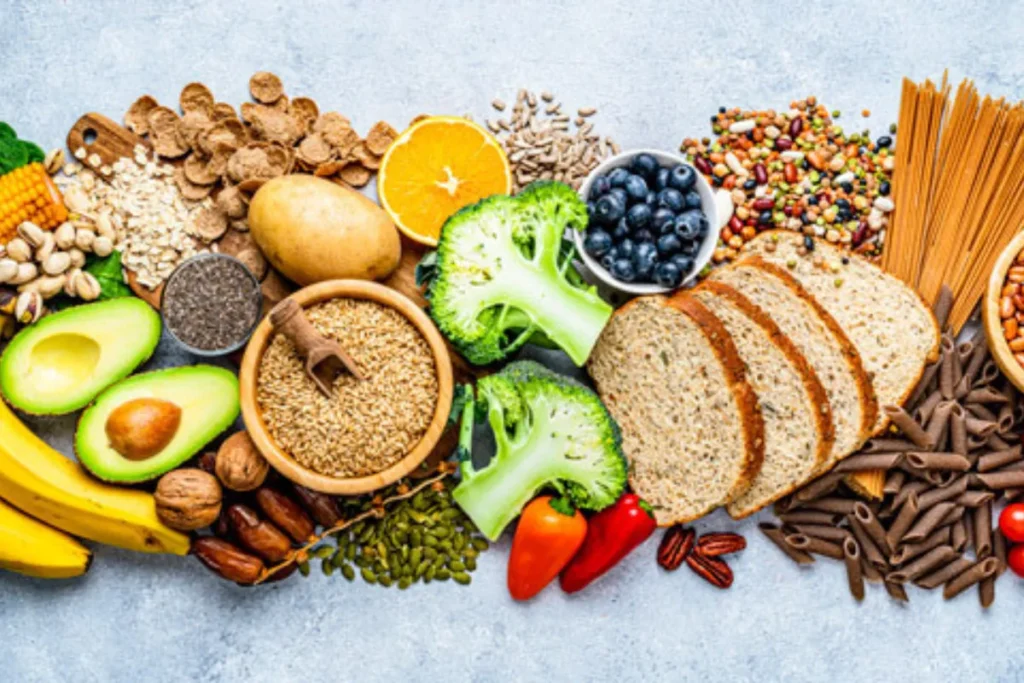
Discover the ultimate diverticulitis diet guide — learn what to eat, foods to avoid, and expert meal tips to prevent flare-ups and heal your gut naturally.
Understanding Diverticulitis and Why Diet Matters
If you’ve ever had sudden stomach pain, bloating, or trouble digesting your favorite foods, you’re not alone. Many people in the U.S. deal with a condition called diverticulitis, which happens when tiny pouches in your colon, called diverticula, become swollen or infected. While it sounds scary, here’s some good news — your diverticulitis diet can make a big difference in how you feel and how fast you recover.
Think of your gut like a garden. When you feed it the right foods, it thrives. When you don’t, things start to go a little wild. A proper diet for diverticulitis helps calm the inflammation, ease pain, and prevent those uncomfortable flare-ups that can send you running to the doctor.
So, what exactly is diverticulitis? In simple terms, it’s when parts of your colon get irritated or infected due to trapped food or bacteria. The right diverticulitis meal plan can help your digestive system rest and heal. Doctors often suggest starting with a clear liquid diet for diverticulitis during flare-ups — things like broth, gelatin, and water — to let your gut relax. Once you start feeling better, you can slowly move toward a low-fiber diet, and eventually a high-fiber diet to keep your system healthy long-term.
What makes a diverticulitis diet plan so important is that food isn’t just fuel; it’s medicine. Choosing gut-friendly foods like soft fruits, cooked vegetables, and lean proteins can help your colon heal naturally. On the other hand, avoiding diverticulitis trigger foods like processed meats, fried snacks, and too much red meat can stop future flare-ups before they start.
Here’s the truth: there’s no one-size-fits-all diet for diverticulitis, but understanding your body’s signals is key. Whether you’re recovering from a flare-up or trying to prevent the next one, learning how to eat smart is your best defense.
In the next section, we’ll explore what causes diverticulitis and how small food changes can lead to a happier, healthier gut.
What Causes Diverticulitis and Why Diet Matters
Have you ever wondered why some people suddenly develop diverticulitis while others never do? The answer often lies in what’s happening inside your gut — and on your plate.
Your colon is like a long, flexible tube that moves waste out of your body. Over time, small pockets called diverticula can form in its walls. When these pockets become infected or inflamed, that’s when diverticulitis strikes. It’s not just about luck — it’s about lifestyle, diet, and overall gut health.
One of the biggest triggers? A low-fiber diet. Fiber works like a broom for your digestive system. It helps move food smoothly through your colon, preventing pressure buildup. Without enough fiber, your colon has to work harder, which can cause those small pouches to form. That’s why experts recommend transitioning to a high-fiber diet for diverticulitis once your body has healed — it helps prevent future flare-ups.
But food isn’t the only factor. Stress, dehydration, lack of exercise, and certain medications can also play a role in causing diverticulitis flare-ups. When your digestive system slows down or gets overwhelmed, inflammation can set in — and that’s when the pain, cramping, and bloating begin.
This is where your diverticulitis diet plan becomes your secret weapon. A balanced diet for diverticulitis isn’t just about avoiding the wrong foods; it’s about giving your gut what it truly needs. Foods rich in soluble fiber, like oatmeal, applesauce, and cooked carrots, are gentle on your colon. On the flip side, diverticulitis trigger foods — such as fried meals, spicy dishes, and processed snacks — can irritate your digestive lining and worsen symptoms.
Even though everyone’s body is different, most people notice that following a gut-friendly diet helps them feel lighter, less bloated, and more energized. Remember: it’s not just about treating symptoms — it’s about preventing them.
By eating the right foods, drinking plenty of water, and managing stress, you can lower your risk of flare-ups and keep your digestive system in harmony.
Up next, we’ll go step-by-step through the diverticulitis diet stages — from clear liquids to a long-term fiber-rich plan — so you can understand exactly what to eat and when.
Diverticulitis Diet Stages — What to Eat and When
Dealing with diverticulitis can feel confusing — one day you’re told to eat soup, the next day, fiber. The truth is, your body goes through different healing phases, and each one needs a slightly different diverticulitis diet plan. Let’s break it down simply, step by step.
Stage 1: Clear Liquid Diet for Diverticulitis (Flare-Up Phase)
When your symptoms are at their worst — think sharp pain, nausea, or bloating — your digestive system needs a complete rest. That’s when a clear liquid diet for diverticulitis comes in.
For about 1–2 days, stick to:
- Broth or clear soups
- Gelatin (like Jell-O)
- Water and herbal tea
- Ice pops (without fruit chunks)
- Apple juice or clear electrolyte drinks
These gentle liquids keep you hydrated and help calm your colon. It’s not forever — just until your symptoms start to ease.
Stage 2: Low-Fiber Diet (Recovery Phase)
Once the pain and swelling start to fade, it’s time to move to a low-fiber diet for diverticulitis. Think of this as your “soft foods” phase. You’re still being gentle on your gut, but you’re giving it something to work with.
Eat foods like:
- White rice, mashed potatoes, or plain pasta
- Scrambled eggs and tender fish
- Canned fruits and well-cooked vegetables
- Smooth nut butters (in small amounts)
Avoid anything that’s hard, crunchy, or difficult to digest. The goal here is to rebuild strength without irritating your colon.
Keywords used: low-fiber diet for diverticulitis, soft foods, diverticulitis recovery
Stage 3: High-Fiber Diet
When your doctor gives the green light, it’s time to move into the high-fiber diet for diverticulitis — your long-term healing stage. Fiber helps keep your digestion smooth and prevents new pouches from forming in your colon.
Focus on foods like:
- Whole grains (brown rice, oatmeal, whole-wheat bread)
- Fresh fruits like apples, pears, and berries
- Vegetables like carrots, spinach, and zucchini
- Beans, lentils, and chia seeds (added slowly)
Drink plenty of water so the fiber can do its job properly.
Each phase is like a step on a ladder — one leads to the next. By following these diverticulitis diet stages, you’re giving your body exactly what it needs to heal and stay strong.
Next up, we’ll dive into the fun part — foods to eat on a diverticulitis diet that will help soothe your gut and make recovery delicious.
Foods to Eat on a Diverticulitis Diet
When you’re recovering from diverticulitis, food isn’t just about taste — it’s about healing your gut from the inside out. The right diverticulitis diet can help soothe inflammation, restore balance, and keep painful flare-ups from coming back. Think of this as your go-to list of gut-friendly foods that help your colon feel calm and happy.
1. Gentle Foods for Early Recovery
Right after a flare-up, your digestive system needs a little TLC. That’s when soft, easy-to-digest foods become your best friends. These foods go easy on your colon and help it heal faster.
Try adding:
- Mashed potatoes or white rice
- Scrambled eggs and soft fish
- Applesauce, ripe bananas, and canned peaches
- Well-cooked carrots, zucchini, and spinach
These soft foods for diverticulitis are light, soothing, and packed with nutrients your body can actually absorb.
2. Building Strength with Balanced Nutrition
As your body recovers, start including foods that strengthen your gut and keep things moving smoothly. A balanced diet for diverticulitis should include lean proteins, good fats, and easy-to-digest carbs.
Good choices include:
- Chicken, turkey, or tofu for protein
- Avocados and olive oil for healthy fats
- Oatmeal or cream of wheat for gentle fiber
- Yogurt with probiotics for gut balance
Probiotic foods are especially helpful — they feed the good bacteria in your intestines and keep your digestion steady.
Keywords used: diet for diverticulitis, probiotics, gut health, diverticulitis-friendly foods
3. Transitioning to High-Fiber Foods
Once your symptoms are gone, you can gradually add high-fiber foods to help prevent future flare-ups. Fiber acts like a natural cleanser for your colon, keeping things moving and reducing pressure on those tiny pouches.
Foods to Avoid During Diverticulitis
If you’ve ever had a diverticulitis flare-up, you already know how painful it can be — that deep, crampy feeling that makes you wish your stomach had a “reset” button. The truth is, what you don’t eat can be just as important as what you do eat. Some foods can irritate your gut, trigger inflammation, and make recovery take longer. Knowing which diverticulitis trigger foods to avoid will help your colon heal faster and stay healthy longer.
1. Say No to Greasy and Fried Foods
Fried foods may taste good, but they’re tough on your digestive system. They can cause bloating, gas, and discomfort — three things no one with diverticulitis wants. Instead of fried chicken or French fries, try grilled, baked, or air-fried versions.
2. Limit Red and Processed Meats
Studies show that eating too much red or processed meat can increase the risk of diverticulitis flare-ups. Foods like sausages, bacon, and hamburgers are harder to digest and can increase inflammation in your colon. Try swapping them for lean proteins such as chicken, fish, or beans (once you’re past your recovery phase).
Keywords used: diverticulitis flare-ups, diet for diverticulitis, gut health
3. Avoid Spicy and Acidic Foods
Hot sauce, chili, and spicy dishes can irritate the lining of your intestines. Similarly, acidic foods like citrus fruits, tomatoes, or vinegar can upset your stomach during recovery. If you love flavor, don’t worry — you can still season your meals with mild herbs like basil, parsley, or oregano.
Keywords used: foods to avoid with diverticulitis, diverticulitis trigger foods
4. Watch Out for Hard-to-Digest Foods
In the past, people with diverticulitis were told to avoid nuts, seeds, and popcorn because doctors thought they could get stuck in the pouches of the colon. While new research says this might not always be true, some people still find these foods uncomfortable during flare-ups. The best rule? Listen to your body — if something causes pain or bloating, skip it for now.
Sample Diverticulitis Diet Plan (With Meal Ideas)
Eating with diverticulitis doesn’t have to be boring or stressful. In fact, with a little planning, you can enjoy meals that taste great and help your gut heal. This diverticulitis diet plan will show you what a typical day might look like during recovery — from a gentle breakfast to a satisfying dinner — all designed to reduce pain and prevent flare-ups.
Remember, this is just a guide. Everyone’s body reacts differently, so always adjust your meals to how you feel and follow your doctor’s advice.
Breakfast: Start Easy
Your morning meal should be light but energizing. Choose foods that are gentle on your stomach and full of nutrients.
Try:
- A bowl of oatmeal made with almond milk or lactose-free milk
- A small serving of applesauce or ripe banana
- Herbal tea or warm water with lemon (if tolerated)
Lunch: Nourishing and Simple
When lunchtime hits, your goal is to stay satisfied without overworking your colon. Choose soft, cooked foods that digest easily.
Try:
Dinner: Comfort and Healing
Evening meals should be filling but light enough to digest easily. Avoid greasy or spicy foods, and focus on warm, nourishing dishes.
Try:
- Turkey or lentil soup with well-cooked vegetables
- Whole-grain toast (if you’re in the high-fiber phase)
- Steamed spinach or peas
Snacks and Drinks
Between meals, keep it simple:
- Applesauce, yogurt, or cottage cheese
- Smoothies made with banana, oats, and lactose-free milk
- Herbal teas (like chamomile or ginger)
- Lots of water — aim for 6–8 glasses daily
Drinking enough water helps fiber work better and keeps your digestion smooth.
Preventing Future Flare-Ups
Once your symptoms ease, the next big goal is to keep them from coming back. Preventing diverticulitis flare-ups isn’t just about short-term relief — it’s about long-term gut health and feeling your best every day. The good news? A few smart lifestyle changes can make a huge difference.
Let’s explore some simple but powerful ways to protect your colon and prevent future problems.
1. Eat a High-Fiber Diet (Gradually!)
Fiber is your colon’s best friend — but it’s important to increase fiber slowly. Once your doctor says it’s safe, add more high-fiber foods such as:
- Oats, brown rice, and whole-grain bread
- Fresh fruits like apples, pears, and berries
- Vegetables like broccoli, carrots, and spinach
2. Stay Active and Move Your Body
Regular physical activity helps your digestive system work efficiently. You don’t need an intense workout — even a 20-minute walk after meals can reduce your risk of diverticulitis flare-ups.
Try:
- Morning walks
- Yoga or stretching
- Light cardio or swimming
.
3. Drink Plenty of Water
Hydration keeps your digestive system soft and flexible. Water helps fiber do its job — without it, fiber can backfire and cause constipation.
Aim for 6–8 glasses daily, or more if you’re active. Herbal teas like chamomile or mint can also soothe your gut and reduce inflammation.
4. Manage Stress
Believe it or not, your brain and gut are best friends — they constantly “talk” to each other. High stress can slow digestion, increase inflammation, and trigger diverticulitis symptoms.
Try stress-busting habits like:
5. Avoid Trigger Foods
Once you know which diverticulitis trigger foods bother your system, limit or skip them altogether. This often includes greasy, spicy, or processed foods that cause irritation. Listen to your body — it’s the best guide you have.
Final Thoughts
Preventing diverticulitis flare-ups isn’t about perfection — it’s about balance. Eat more plants, stay hydrated, move daily, and treat your gut with kindness. When you take care of your digestive health, your whole body benefits — more energy, better moods, and fewer painful days.
Diverticulitis Diet FAQs
If you’ve ever found yourself wondering what you can or can’t eat with diverticulitis, you’re not alone. These are some of the most common questions people ask — and the simple, science-backed answers that’ll make your life a lot easier.
1. What foods should I avoid with diverticulitis?
When you’re dealing with a diverticulitis flare-up, it’s best to stay away from diverticulitis trigger foods like fried or greasy meals, red meat, spicy dishes, and processed snacks. These can irritate your colon and worsen inflammation.
Also, limit alcohol, caffeine, and sugary sodas — they dehydrate your body and can slow healing.
2. What can I eat during a diverticulitis flare-up?
During a flare-up, your colon needs rest. Start with a clear liquid diet — broths, clear soups, gelatin, and plenty of water.
As symptoms improve, slowly add low-fiber foods like white rice, mashed potatoes, eggs, and applesauce.
Once you’ve fully recovered, move toward a high-fiber diet with fruits, vegetables, and whole grains to prevent future flare-ups.
3. Is a high-fiber diet good for diverticulitis?
Yes — but only after recovery. Fiber keeps your digestion running smoothly and reduces pressure in the colon.
Include high-fiber foods like oatmeal, lentils, beans, and leafy greens. Increase fiber slowly and drink lots of water so your system can adjust comfortably.
4. How much water should I drink daily?
Hydration is key for gut health. Aim for 6–8 glasses of water per day. If you’re physically active, you may need more. Water helps fiber work properly and prevents constipation — one of the biggest diverticulitis triggers.
5. Can I eat nuts, seeds, and popcorn with diverticulitis?
Old advice said to avoid these, but new research shows most people can safely enjoy them. However, if nuts or seeds cause pain, bloating, or discomfort, skip them. Everyone’s digestive system is different — so listen to your body.
6. What lifestyle changes can help prevent diverticulitis?
To keep your colon healthy, eat more plant-based foods, move your body every day, manage stress, and get enough sleep. Even simple steps like walking after meals or eating slowly can make a difference.
These habits support long-term diverticulitis prevention and improve overall gut health.
7. Can diverticulitis come back even with a healthy diet?
Unfortunately, yes — but the risk is much lower if you stick with a diverticulitis-friendly diet, drink enough water, and stay active. Remember, consistency is more powerful than perfection. Every healthy choice counts.
Final Thoughts
Managing diverticulitis doesn’t have to be complicated. With the right foods, hydration, and lifestyle choices, you can protect your colon and feel great again. Think of your diet as daily medicine — gentle, healing, and full of life.
Conclusion & Expert Tips
Living with diverticulitis can feel overwhelming at first — especially when every meal seems like a question mark. But here’s the good news: with the right diverticulitis diet plan, a little consistency, and mindful eating, you can take control of your gut health and live pain-free.
A diverticulitis-friendly diet isn’t about restriction — it’s about nourishment. Each meal is a chance to heal your colon, boost your energy, and prevent future flare-ups. When you treat your gut kindly, your entire body thanks you.
Expert Tips for Long-Term Gut Health
Here are some simple yet powerful ways to keep your digestive system happy and strong:
1. Start Slow with Fiber
Once your doctor gives the go-ahead, gradually add more high-fiber foods like fruits, vegetables, oats, and legumes. Fiber is your gut’s best defense — it keeps things moving and reduces pressure in your colon.
2. Hydrate, Always
Never underestimate water. Staying hydrated helps fiber work effectively and prevents constipation — one of the main causes of diverticulitis flare-ups. Keep a water bottle handy and sip throughout the day.
3. Stay Active Every Day
Even gentle movement makes a big difference. Try walking, yoga, or swimming — all are great for improving digestion and supporting a healthy diverticulitis diet lifestyle.
4. Listen to Your Body
Your body is smarter than you think. If a certain food triggers bloating or pain, skip it — even if it’s considered “healthy.” Everyone’s digestive system is unique, and there’s no one-size-fits-all rule for diverticulitis recovery.
5. Manage Stress and Sleep Well
Your gut and brain are deeply connected. High stress and poor sleep can trigger inflammation and worsen diverticulitis symptoms. Try deep breathing, meditation, or simply spending quiet time outdoors. A calm mind means a calm gut.
Final Words of Encouragement
Healing from diverticulitis takes time, patience, and care — but you’re in charge of your recovery. Every small step, from eating fiber-rich meals to drinking water and staying active, adds up to big results over time.
Remember, your digestive system doesn’t just digest food — it affects your mood, energy, and overall well-being. By following this diverticulitis diet plan and embracing a gut-friendly lifestyle, you’re not only preventing flare-ups — you’re creating a stronger, healthier version of yourself.
So take it one meal, one day, one choice at a time — your gut will thank you for it.