Discover why nursing is considered a health science. Learn how nursing combines evidence-based practice, scientific knowledge, and compassionate patient care to shape modern healthcare.
Understanding Nursing as a Health Science
Have you ever wondered, “Is nursing a health science?” You’re not alone. It’s a question many students, parents, and curious minds ask when exploring the world of healthcare. At its core, nursing is more than just caring for patients — it’s a profession deeply rooted in science, research, and evidence-based practice. In fact, you can think of nursing as the bridge between science and real-life care.
So, what makes nursing part of health science? Health science is the study of how humans stay healthy, prevent diseases, and treat medical conditions. Nursing fits right into this field because nurses don’t just provide care — they apply scientific knowledge to understand the human body, diagnose issues, and create effective treatment plans. From learning anatomy and biology to using technology for patient monitoring, nursing blends hands-on skills with scientific thinking.
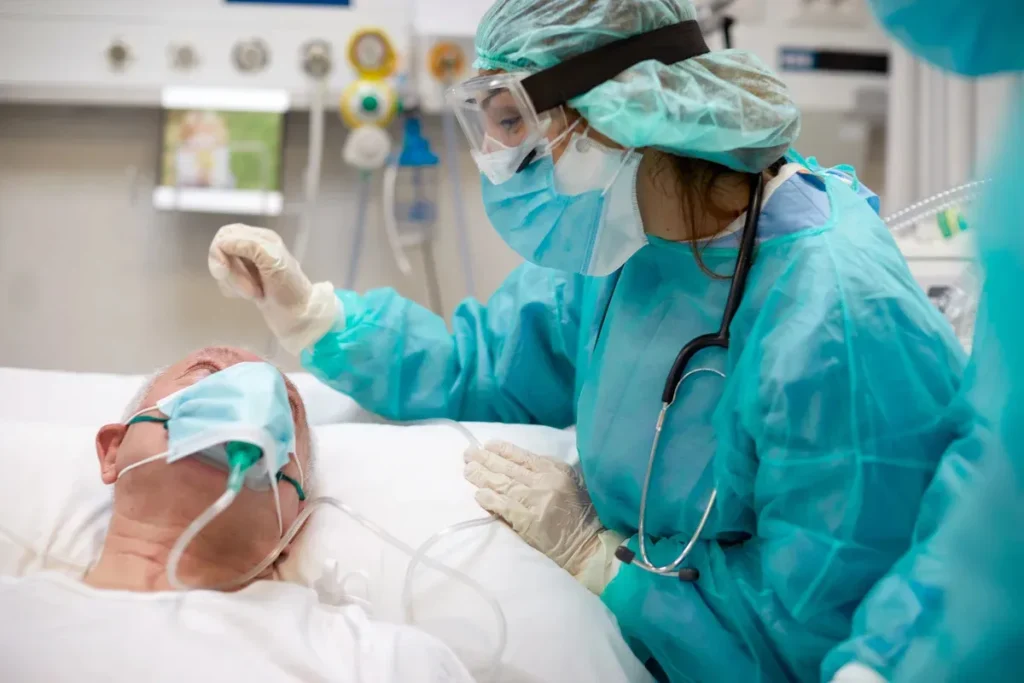
Nurses are trained to observe, assess, and make critical decisions based on evidence. For example, when a nurse notices changes in a patient’s condition, they rely on data and research to decide the next steps. This is exactly what makes nursing scientific: it’s not just following instructions — it’s applying knowledge, analyzing results, and making informed choices that save lives.
Beyond the science, nursing also has a human touch. Nurses build strong connections with patients, helping them feel safe, supported, and understood. This combination of empathy and science is what sets nursing apart from other healthcare roles. It’s an art and a science rolled into one.
Education in nursing further reinforces its place in health science. Students study chemistry, biology, pharmacology, and research methods. They practice clinical skills in real settings, gaining firsthand experience in patient care while applying scientific principles. Every step of training shows that nursing isn’t just a job — it’s a scientific discipline dedicated to improving health outcomes.
So, the next time you ask yourself, “Is nursing a health science?”, remember this: nursing is a dynamic, evidence-based field that combines science, technology, and compassion. Nurses don’t just care for patients — they use knowledge, research, and critical thinking to make a real difference in people’s lives. That’s why nursing is firmly recognized as an essential branch of health science, shaping the future of healthcare one patient at a time.
The History of Nursing in Health Science
To truly understand why nursing is considered a health science, it helps to look back at its history. Nursing has been around for centuries, but it wasn’t always seen as a scientific profession. In the early days, nurses were mostly caregivers — providing comfort and basic support rather than applying medical knowledge or research.
Everything began to change in the 19th century with pioneers like Florence Nightingale, who is often called the founder of modern nursing. She introduced evidence-based practices, showing that cleanliness, proper nutrition, and structured care could dramatically improve patient outcomes. This was a turning point, proving that nursing could be studied, measured, and improved scientifically.
Over the years, nursing education became more formalized. Colleges and universities began offering nursing programs that included courses in biology, anatomy, chemistry, and research methods. Students learned not just how to care for patients, but why certain practices worked. This shift emphasized that nursing wasn’t just a job — it was a health science discipline grounded in facts, observation, and critical thinking.
In the 20th century, nursing expanded even further. Nurses began taking on specialized roles in areas like pediatrics, oncology, and public health. They conducted research, implemented new medical technologies, and contributed to healthcare policies. These developments reinforced nursing as a scientific field, showing that nurses are both practitioners and innovators who rely on evidence to guide their care.
Today, nursing is recognized as an essential part of health science in hospitals, clinics, and community health settings worldwide. From using advanced technology to monitoring patient outcomes, nurses combine scientific knowledge with hands-on skills. They are trained to analyze data, make decisions based on research, and apply critical thinking in every aspect of patient care.
Looking at the history of nursing, it’s clear that this profession has evolved from simple caregiving to a complex, science-driven field. Understanding this journey helps explain why nurses are not only vital to patient care but also central to the advancement of healthcare knowledge.
In short, nursing didn’t become a health science overnight. It grew through research, education, and innovation — and today, it stands proudly as a scientific and compassionate profession that continues to shape modern healthcare.
Defining Nursing as a Health Science
Now that we understand the history of nursing, let’s answer the big question: What makes nursing a health science? At its core, health science is the study of the human body, disease prevention, and healthcare practices based on evidence. Nursing fits perfectly into this definition because it blends scientific knowledge, research, and hands-on patient care.
Nurses don’t just follow instructions — they apply scientific principles every day. For example, when a nurse checks vital signs, administers medication, or monitors recovery, they’re using knowledge from biology, anatomy, and chemistry. Every action is informed by research and best practices, which shows that nursing is deeply rooted in science.
Another important aspect is evidence-based practice. Nurses rely on studies, clinical trials, and data to guide their decisions. If a new treatment method proves more effective, nurses learn it and apply it carefully to improve patient outcomes. This constant connection to research and science is a hallmark of nursing as a health science.
But nursing is more than just science — it’s also about critical thinking and problem-solving. Nurses assess patients, identify patterns, and make informed decisions quickly. Whether it’s a routine checkup or an emergency situation, nurses use both knowledge and judgment, demonstrating that their work is analytical, precise, and scientific.
Education also reinforces this definition. Nursing programs include courses in physiology, pharmacology, and healthcare technology. Students practice lab skills, interpret test results, and conduct research projects. This training ensures that nurses are not only compassionate caregivers but also scientific professionals who understand the “why” behind every treatment.
Finally, nursing integrates technology and innovation into daily practice. From digital monitoring tools to advanced medical devices, nurses use scientific advancements to provide safer, more effective care. This connection between science, technology, and patient care further strengthens nursing’s role as a health science.
In short, nursing is a health science because it combines evidence, research, scientific knowledge, and critical thinking with the art of patient care. It’s a profession where science meets compassion, and every decision is guided by knowledge, skill, and a commitment to improving health outcomes.
Nursing Education – Degrees and Scientific Training
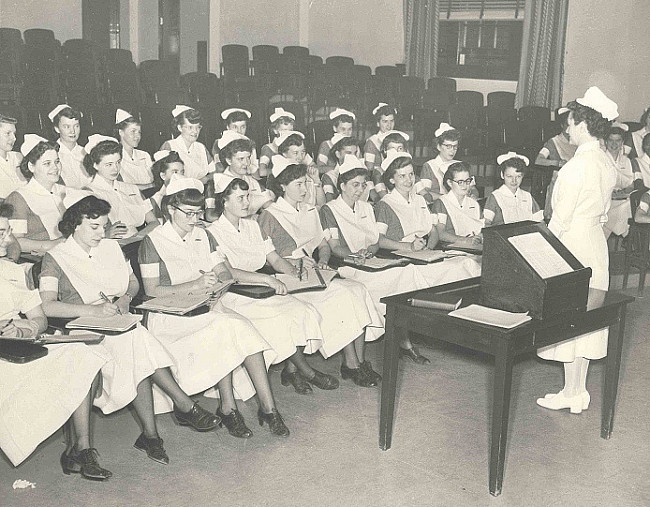
If you’re wondering why nursing is considered a health science, the answer becomes even clearer when you look at the education behind it. Nursing isn’t just about helping patients — it’s a structured, science-based field that requires formal training, hands-on practice, and critical thinking skills.
Nursing education in the USA typically starts with programs like Associate Degrees in Nursing (ADN) or Bachelor of Science in Nursing (BSN). These programs cover essential scientific subjects such as anatomy, physiology, biology, chemistry, and microbiology. Students learn not just what to do, but why each step matters, which is a key characteristic of a health science.
Advanced programs, such as Master of Science in Nursing (MSN) or Doctor of Nursing Practice (DNP), go even further. Nurses study research methods, healthcare technology, pharmacology, and leadership. They also conduct evidence-based projects, applying scientific methods to improve patient care. This is why nursing isn’t just a job — it’s a profession built on science, data, and research.
Practical training is another critical part of nursing education. Students spend hours in clinical settings, learning how to assess patients, perform medical procedures, and interpret test results. These hands-on experiences reinforce scientific knowledge and teach students to make informed decisions in real-world situations.
Nursing schools also emphasize critical thinking and problem-solving. For example, students might study case scenarios where they analyze symptoms, evaluate test results, and create a care plan. This approach trains nurses to think scientifically, not just follow instructions blindly.
Finally, continuing education ensures nurses stay up to date with the latest healthcare research and technological advancements. This lifelong learning is another reason nursing firmly belongs in the health science category — it’s a dynamic, evolving field that relies on evidence and innovation.
In short, nursing education is much more than memorizing procedures. It’s a combination of scientific study, practical application, and ongoing research, all designed to prepare nurses for a profession that is both compassionate and evidence-based. This is what makes nursing a true health science, shaping competent professionals who improve patient care every single day.
Skills That Make Nursing a Health Science
When we talk about nursing as a health science, it’s not just about education — it’s also about the skills nurses use every day. These skills show why nursing is both scientific and professional, going beyond simple caregiving.
One of the most important skills is critical thinking. Nurses must assess patient conditions, notice subtle changes, and make decisions quickly. For example, if a patient’s vital signs suddenly change, a nurse uses scientific knowledge to decide the next steps. This ability to analyze data and act based on evidence is a clear sign that nursing belongs in the health science field.
Another key skill is clinical reasoning. Nurses learn to combine theoretical knowledge with real-world experience. They interpret test results, understand lab values, and create treatment plans tailored to each patient. This requires a mix of science, logic, and hands-on expertise — something that makes nursing both challenging and highly scientific.
Technical skills are also essential. Nurses use medical devices, digital monitoring systems, and lab equipment to track patient health. They must understand how these tools work and apply them accurately, showing that nursing is a technology-driven health science.
Communication is another critical skill that highlights nursing’s unique role in health science. Nurses must explain complex medical information to patients in a way that’s easy to understand. They also communicate with doctors, therapists, and other healthcare professionals to coordinate care. Clear communication ensures that scientific knowledge is applied safely and effectively.
Lastly, research and evidence-based practice are part of nursing skills. Many nurses contribute to studies or follow the latest guidelines to improve patient outcomes. This connection to research keeps nursing at the forefront of health science and ensures that care is always based on facts, not guesswork.
In short, the skills nurses use every day — from critical thinking and clinical reasoning to technical expertise and evidence-based practice — clearly show why nursing is a health science. It’s a profession that blends science, technology, and human care to make a real difference in people’s lives.
Differences Between Nursing and Other Health Professions
You might wonder how nursing differs from other health professions, like medicine, pharmacy, or allied health fields. Understanding these differences helps explain why nursing is a health science in its own right.
First, nurses focus on holistic patient care. While doctors diagnose and treat diseases, nurses spend more time with patients, monitoring their progress, educating them about health, and providing daily care. This approach combines science, observation, and human understanding — a hallmark of health science.
Second, nursing emphasizes evidence-based practice. Unlike some professions that may focus primarily on diagnosis, nurses apply research and scientific principles in every decision. From medication administration to patient assessments, nurses rely on data and best practices, which clearly places nursing within the health science domain.
Another difference is the breadth of skills. Nurses not only provide care but also perform lab tests, operate medical technology, and analyze results. This scientific skill set distinguishes them from professionals whose work may be more narrowly focused.
Patient education is another area where nursing stands out. Nurses teach patients how to manage chronic conditions, follow treatment plans, and adopt healthy lifestyles. This integration of knowledge, communication, and practical care shows the scientific and social aspects of nursing combined.
Additionally, nursing offers a variety of specializations. You have pediatric nurses, critical care nurses, research nurses, and public health nurses. Each specialization applies science differently, but all require evidence-based knowledge and clinical reasoning. This variety demonstrates the versatility and scientific foundation of the profession.
Finally, nursing is inherently collaborative. Nurses work alongside doctors, therapists, and other healthcare professionals, translating scientific knowledge into effective care plans. This collaboration is essential to modern health science, ensuring patients receive comprehensive, coordinated care.
In short, while nursing overlaps with other healthcare professions, its unique combination of hands-on care, scientific reasoning, patient education, and research-based practice sets it apart. These differences reinforce why nursing is recognized as a vital branch of health science, bridging compassion and evidence-based practice.
Career Opportunities in Nursing as a Health Science
One of the most exciting aspects of nursing is the wide range of career opportunities it offers. Because nursing is a health science, it combines scientific knowledge, research skills, and practical patient care, opening doors to many paths beyond traditional bedside care.
1. Clinical Nursing
This is the most common path. Clinical nurses work in hospitals, clinics, or community health settings. They assess patients, administer treatments, and monitor progress. Here, nurses apply scientific principles, lab results, and evidence-based practices to ensure patients receive the best care.
2. Research and Academic Careers
Nurses can also work in research, studying treatments, disease prevention, and patient outcomes. These roles are perfect for people who enjoy scientific investigation and want to contribute to healthcare knowledge. Universities and research institutions often hire nurses to teach or lead studies that shape the future of health science.
3. Public Health and Community Nursing
Some nurses focus on preventing illness and promoting health in communities. They create programs, educate the public, and analyze health trends. This branch highlights the scientific aspect of nursing while making a broad impact on population health.
4. Specialized Nursing Fields
There are many specialties within nursing, including critical care, pediatrics, oncology, and geriatrics. Each specialty requires advanced scientific knowledge and hands-on expertise, demonstrating the depth and versatility of nursing as a health science.
5. Leadership and Healthcare Management
Experienced nurses can move into management or administrative roles, leading teams and implementing policies. These positions still rely on scientific understanding, data analysis, and evidence-based decision-making, showing that nursing expertise extends beyond direct patient care.
6. Technology and Informatics
With healthcare technology advancing rapidly, nurses skilled in informatics and digital health play a vital role in analyzing data, improving systems, and enhancing patient outcomes. This modern application reinforces nursing’s place as a scientific profession.
In short, a career in nursing offers more than just traditional patient care. The combination of science, research, technology, and compassionate care allows nurses to make a significant impact in multiple areas of health science. Whether at the bedside, in research labs, or shaping public health, nursing professionals are at the forefront of healthcare innovation.
Why Nursing Matters in the Healthcare System
Nursing isn’t just another job in healthcare — it’s a critical part of the health science system. Nurses play a unique role in keeping patients healthy, preventing diseases, and improving outcomes, all while applying scientific knowledge and evidence-based practices.
First, nurses are often the frontline caregivers. They spend more time with patients than most other healthcare professionals, monitoring vital signs, noticing changes, and taking immediate action when needed. This daily observation is scientific work — collecting data, analyzing symptoms, and making decisions based on knowledge and evidence.
Second, nurses connect science with compassion. They explain treatment plans, teach patients how to manage illnesses, and support families during stressful times. By translating complex medical information into understandable guidance, nurses ensure that scientific knowledge is applied effectively and safely.
Another reason nursing is so important is prevention and health promotion. Nurses educate communities about vaccines, nutrition, and lifestyle changes. They conduct screenings, monitor chronic conditions, and implement programs that prevent illness before it happens. This proactive role highlights nursing’s connection to health science beyond hospitals and clinics.
Nurses also collaborate with other healthcare professionals. Doctors, therapists, pharmacists, and public health workers rely on nurses’ observations and insights. This teamwork ensures comprehensive, evidence-based care, reinforcing nursing’s integral role in the science of healthcare.
Finally, nurses contribute to research and innovation. Many participate in clinical studies, evaluate new treatments, and implement best practices. This continuous improvement ensures healthcare evolves based on data, making nursing both a scientific and influential profession.
In short, nursing matters because it combines scientific knowledge, research, critical thinking, and compassionate care to make a real difference. Without nurses, healthcare systems would struggle to function effectively. They are the bridge between science and the patient, ensuring that medical advances and evidence-based practices translate into better health for everyone.
FAQs About Nursing and Health Science
When people ask, “Is nursing a health science?”, they often have other questions too. Let’s answer the most common ones in a clear and simple way.
1. Is nursing really considered a science?
Yes! Nursing combines scientific knowledge, evidence-based practice, and clinical skills. Nurses apply biology, chemistry, and research to patient care, making it a true health science profession.
2. What makes nursing different from other healthcare professions?
Nurses focus on holistic patient care, combining science with compassion. They monitor patient progress, educate families, and use data to make informed decisions — tasks that are both scientific and people-centered.
3. Do nurses need to study science in school?
Absolutely. Nursing education includes subjects like anatomy, physiology, microbiology, and pharmacology. Students also practice lab skills and conduct research projects, which prepares them to work as scientific healthcare professionals.
4. Can nursing lead to research or academic careers?
Yes! Many nurses work in research, teaching, and public health, contributing to new healthcare knowledge. Nursing is not just about bedside care — it’s a field where science, investigation, and patient care intersect.
5. Why is nursing important in the healthcare system?
Nurses are the backbone of healthcare. They provide direct patient care, coordinate with other professionals, promote health in communities, and implement evidence-based practices. Their work ensures patients get the best scientific and compassionate care.
6. Is nursing a good career choice in health science?
Definitely. Nursing offers diverse career paths, from clinical practice to research, public health, and leadership roles. It’s a rewarding field that combines science, skill, and human connection, making a real difference in people’s lives.
By addressing these questions, it’s easy to see why nursing is recognized as a health science. It’s a profession grounded in evidence, research, and critical thinking — yet deeply rooted in care, compassion, and real-world impact.
Conclusion – Nursing as a Vital Health Science
So, is nursing a health science? The answer is a resounding yes. Nursing is a profession that combines scientific knowledge, research, critical thinking, and hands-on patient care. It’s a field where evidence-based practice meets compassion, making a real difference in people’s lives every single day.
Throughout history, nursing has evolved from basic caregiving to a scientific and research-driven discipline. Nurses are trained in anatomy, biology, pharmacology, and clinical reasoning. They apply this knowledge in hospitals, clinics, and community health settings, ensuring that patients receive care that is both effective and safe.
Nursing also stands out because of its unique combination of skills. Critical thinking, technical expertise, patient education, and evidence-based practice all contribute to making nursing a true health science. Nurses analyze data, interpret lab results, monitor progress, and implement treatment plans, bridging the gap between research and real-world patient care.
The profession offers diverse career opportunities — from clinical practice to research, public health, education, and leadership roles. Every path relies on science, technology, and analytical thinking, demonstrating that nursing is more than a job — it’s a scientific profession with a profound impact on healthcare systems.
Finally, nurses are essential to modern healthcare. They collaborate with doctors, therapists, and other professionals, translating scientific knowledge into practical care. They educate patients and communities, prevent diseases, and innovate healthcare practices. This integration of science, skill, and compassion proves that nursing is a vital part of health science.
In short, nursing is not only a career — it’s a health science profession that combines evidence, research, technology, and human care. Whether you’re considering a nursing career, studying healthcare, or simply curious, understanding nursing’s scientific foundation highlights its essential role in improving health outcomes.